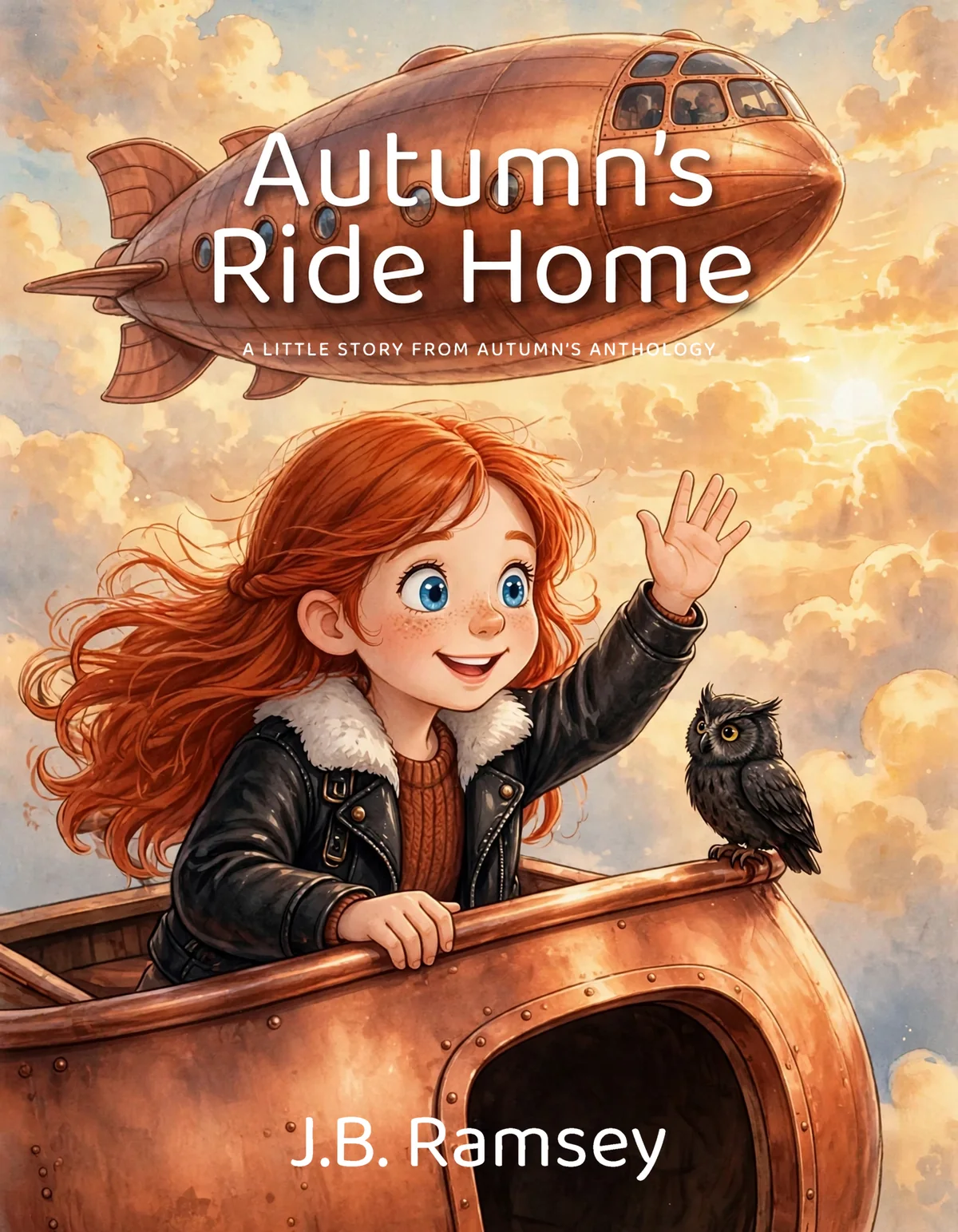
Autumn’s Ride Home
Her school tour in sparkling Aria is over, and a copper dirigible is carrying Autumn home across the Five Colonies — a gentle adventure about curiosity, kindness, and the people who make a place home.
Get Autumn’s Ride HomeScience fiction · Steampunk adventure
Towering cities. Copper dirigibles. A lost history powerful enough to change the Five Colonies.
Every journey changes you.
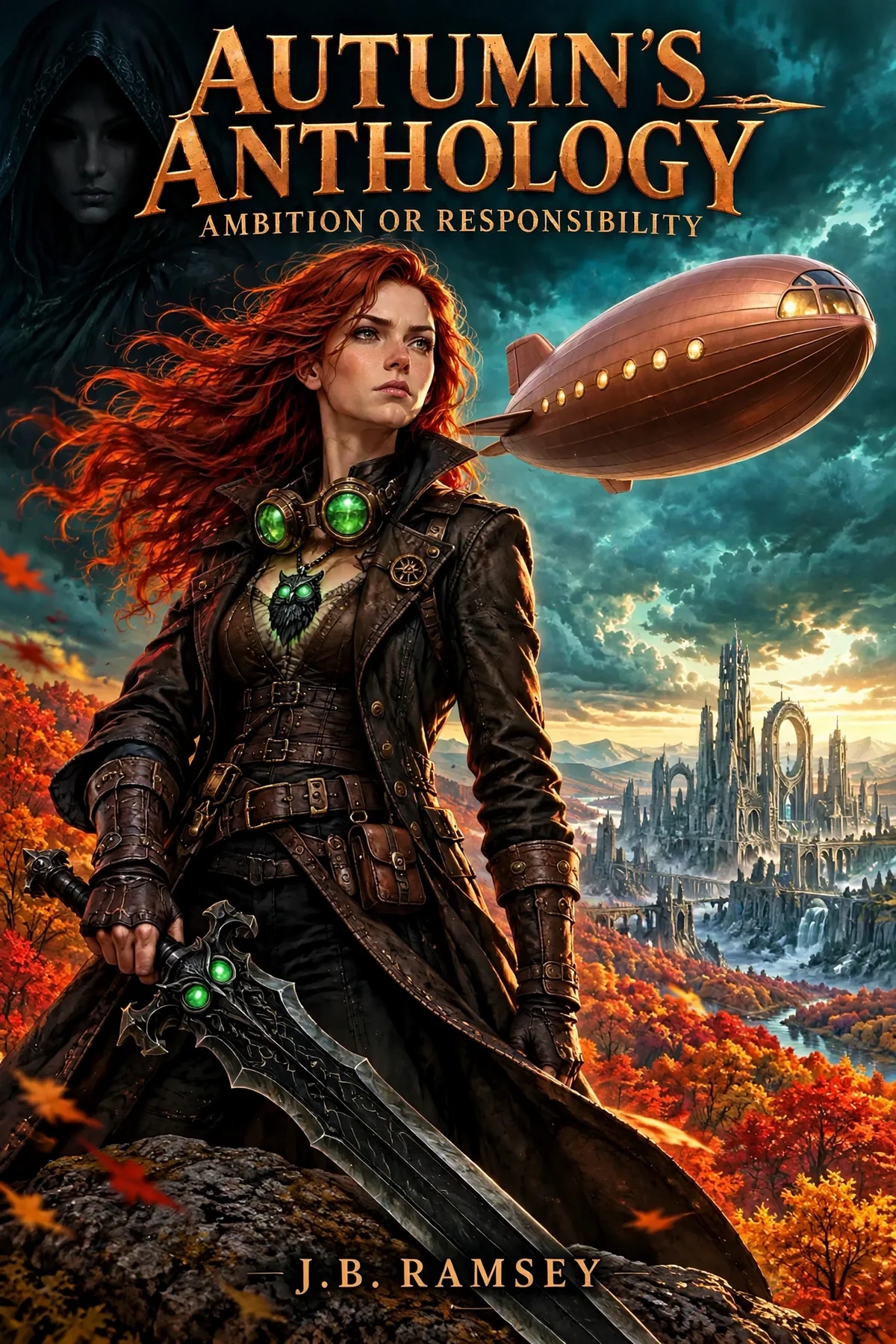
Ambition or responsibility—which would you choose?
About the book
Autumn’s Anthology is a science fiction and steampunk adventure novel by J.B. Ramsey. Autumn Gail crosses the Five Colonies aboard copper dirigibles powered by glowing blue Ark energy, carrying a sentient black sword named Esmeralda, in search of a lost history that could change her world.
The novel anchors a wider world that also includes a graphic novel adaptation and the Autumn’s Big Questions illustrated science series for young readers.
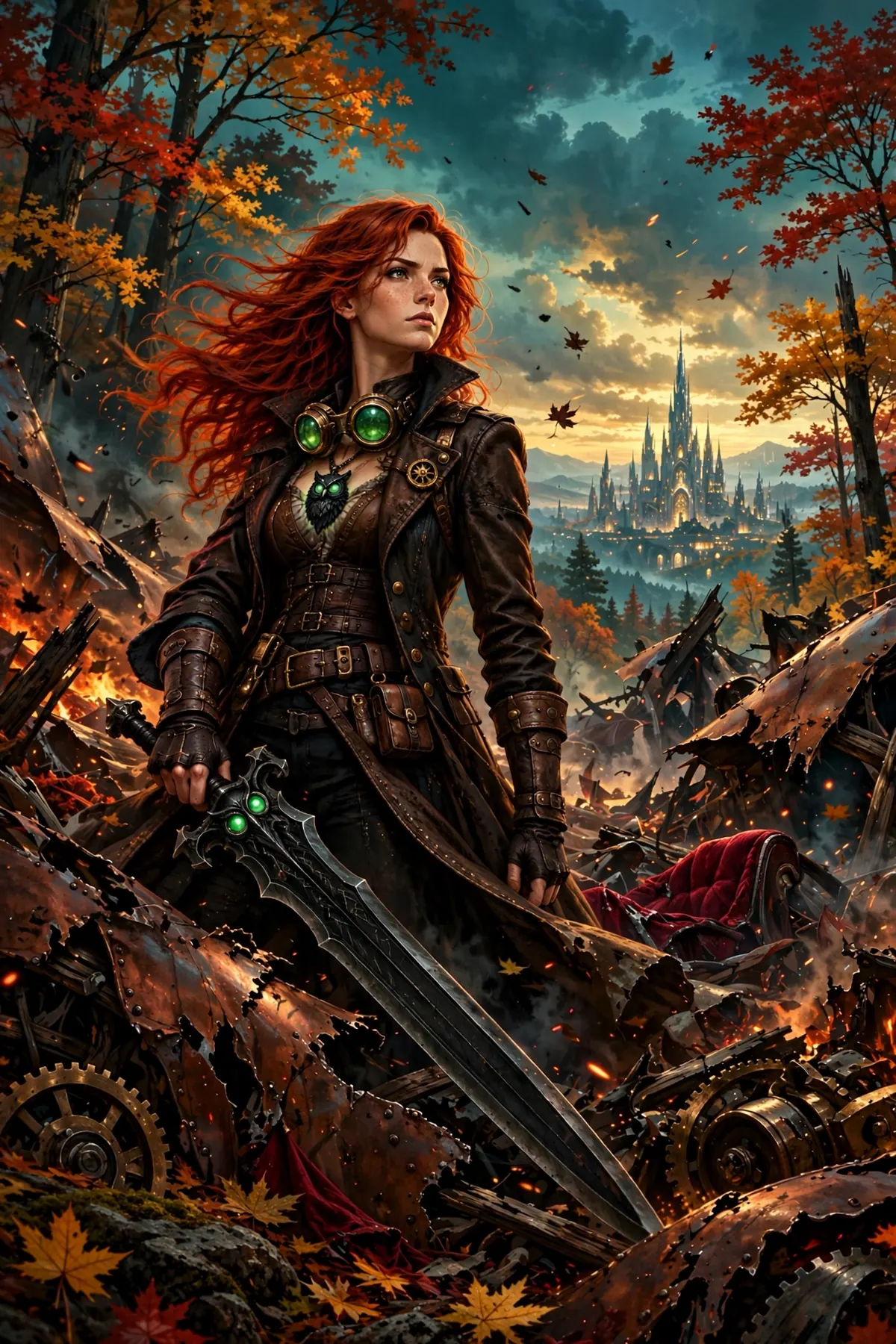
Autumn Gail faces the ruins—and what waits beyond them.
The story
Autumn Gail crosses a world of floating cities, Ark-powered machines, and dangerous rival powers. With the black blade Esmeralda at her side, she must decide what she is willing to risk when the truth begins to surface.
A fast-moving adventure for readers drawn to airships, hidden histories, strange technology, and a heroine determined to choose her own course.
The sky fell. She’s asking why.
She asks too many questions.
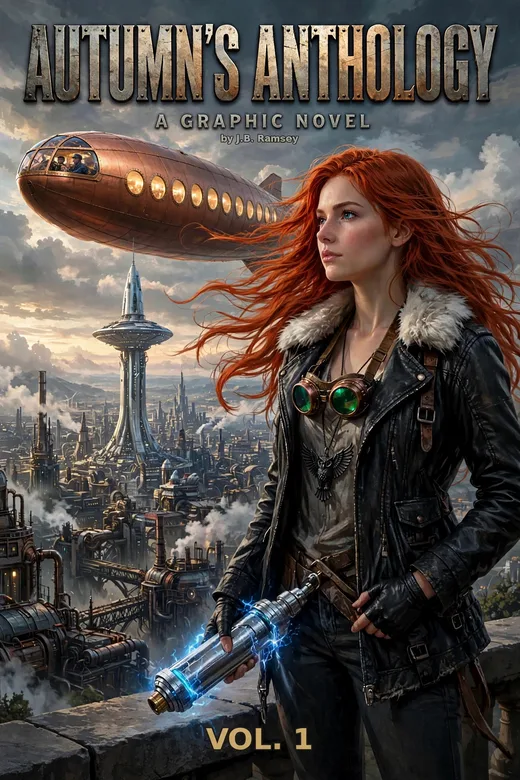
Graphic novel · Volume 1
The first volume of the graphic novel adaptation is now available on Amazon.
Get graphic novel Vol. 1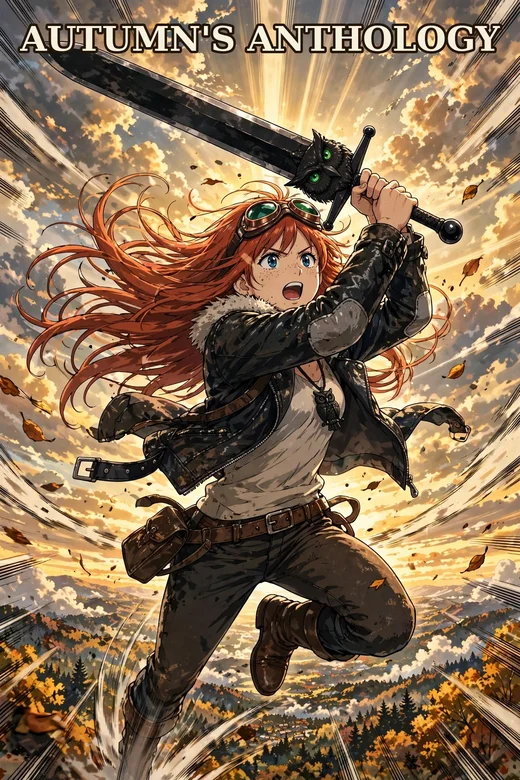
Manga · Free on WEBTOON Canvas
The Five Colonies in panels. Episode 1, “The Long Fall,” tells how the Atlas came down and the colonies began — free to read, with more to follow.
Read Episode 1 freeReference
The working books of the Five Colonies — the volumes the yards, the schools, and the crews go by. First on the shelf: the Ark-class dirigible, whole.
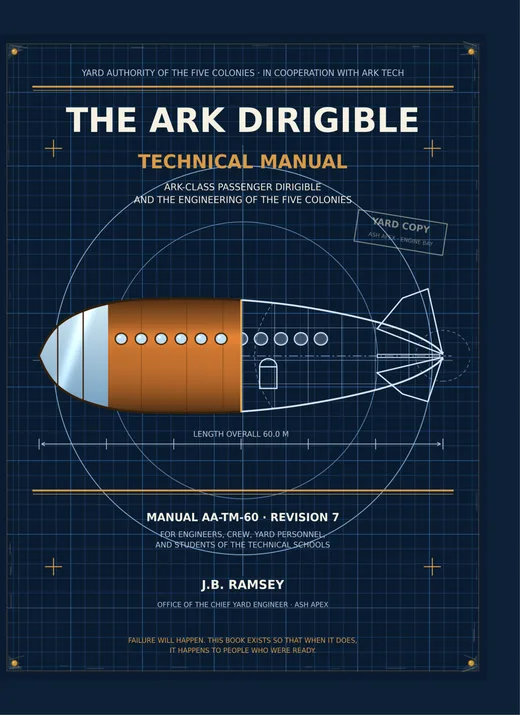
Technical manual · Hardcover
The engineering book of the Five Colonies — the ship whole: her copper hull and Power Core, the skyways and their rules, the crews who fly her and mend her in the air. A hundred pages of the world behind the story, for engineers, crew, and the curious.
Get the Technical ManualIllustrated adventures for young readers
Autumn’s younger adventures bring the wonder of the Five Colonies to families through warm storytelling, richly illustrated journeys, and real science made inviting.
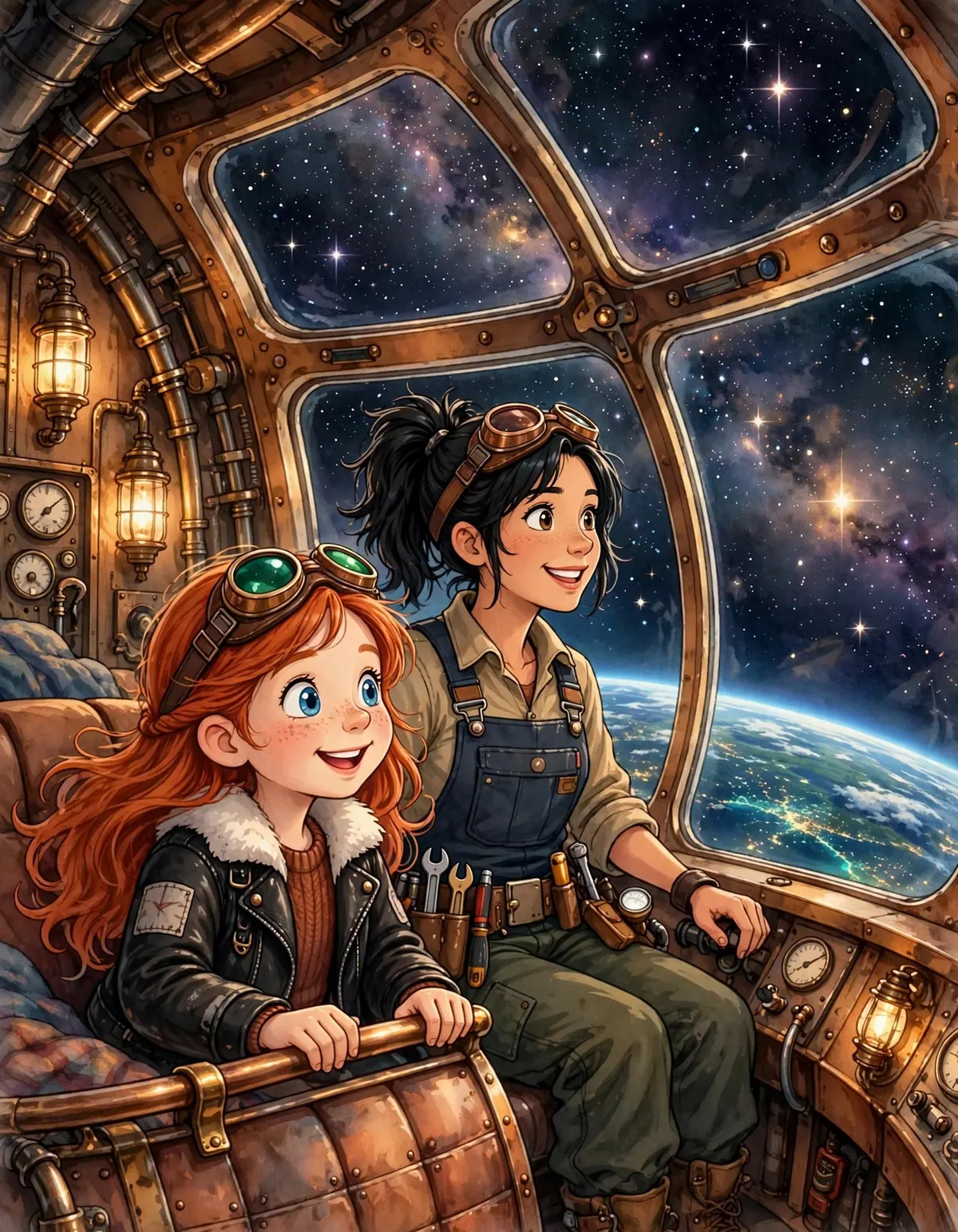
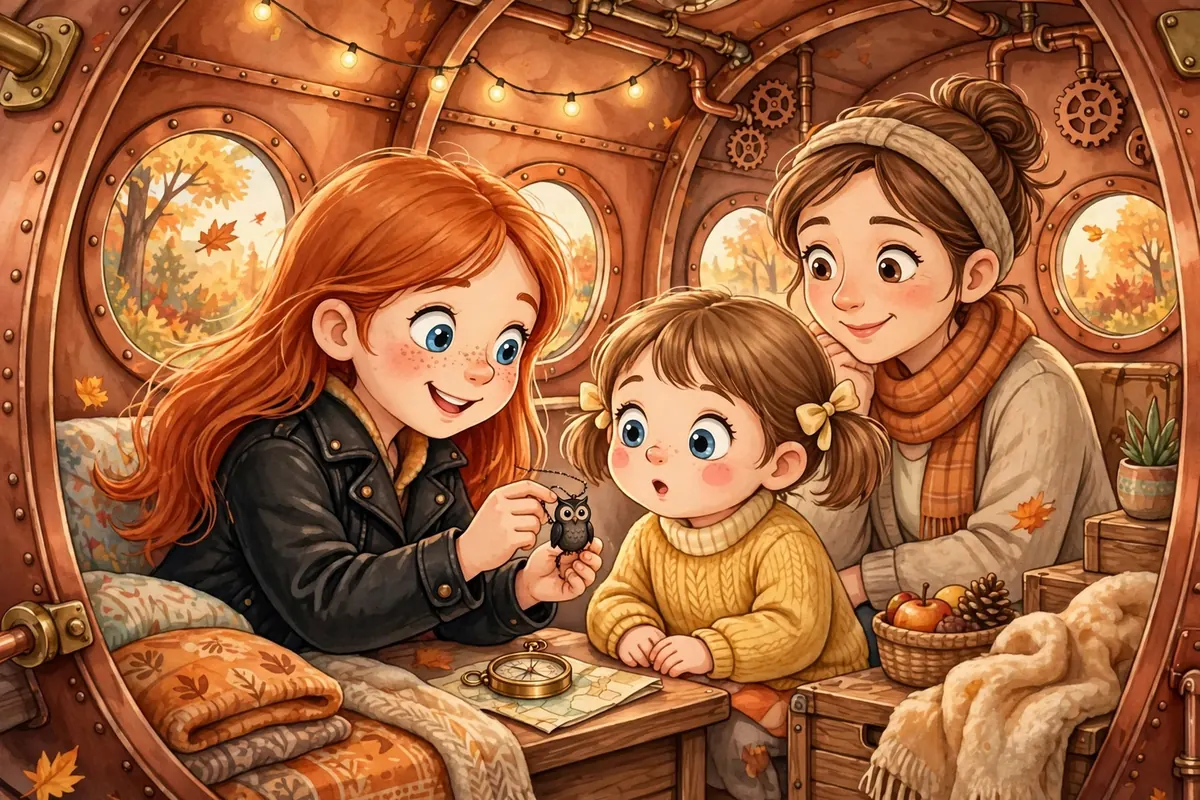
The story series
Story-first adventures in the Five Colonies — young Autumn, her best friend Phyfer, and journeys where the wonder comes from the tale itself: copper dirigibles, glowing Ark energy, and the trouble that always finds them first. Three new stories have joined the series.
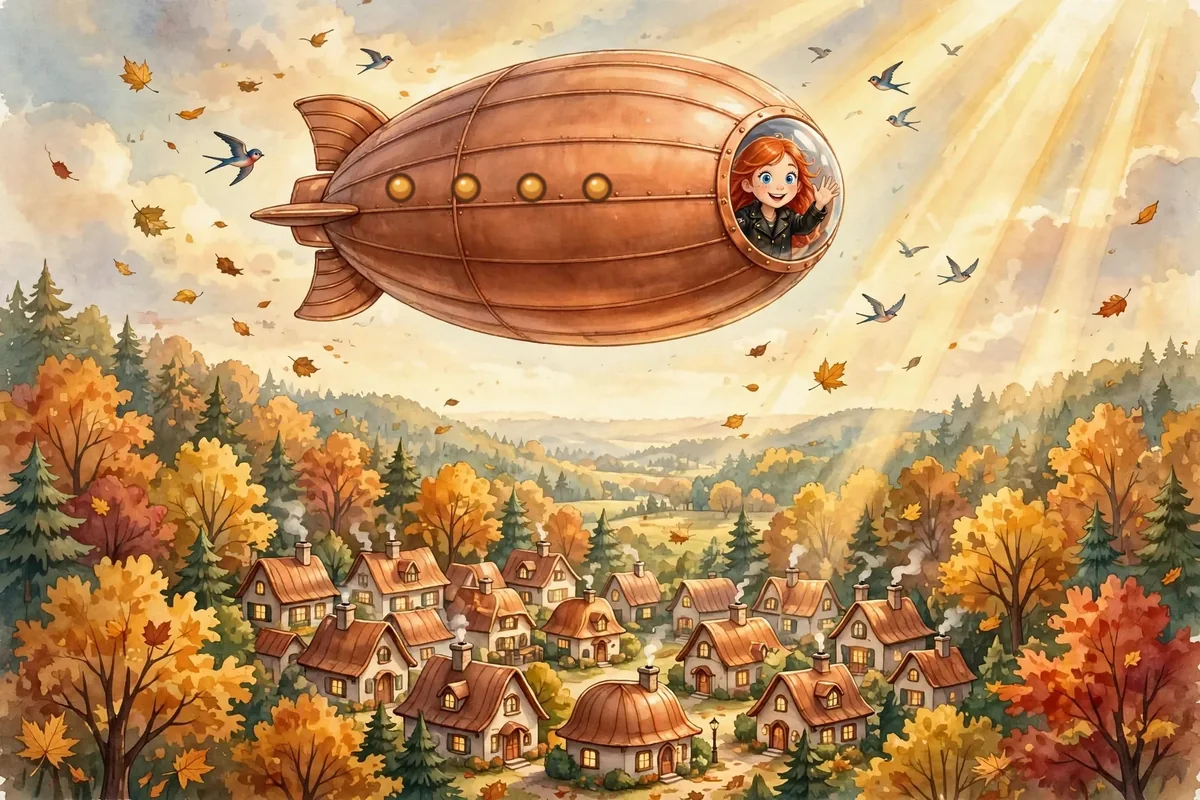
Her school tour in sparkling Aria is over, and a copper dirigible is carrying Autumn home across the Five Colonies — a gentle adventure about curiosity, kindness, and the people who make a place home.
Get Autumn’s Ride Home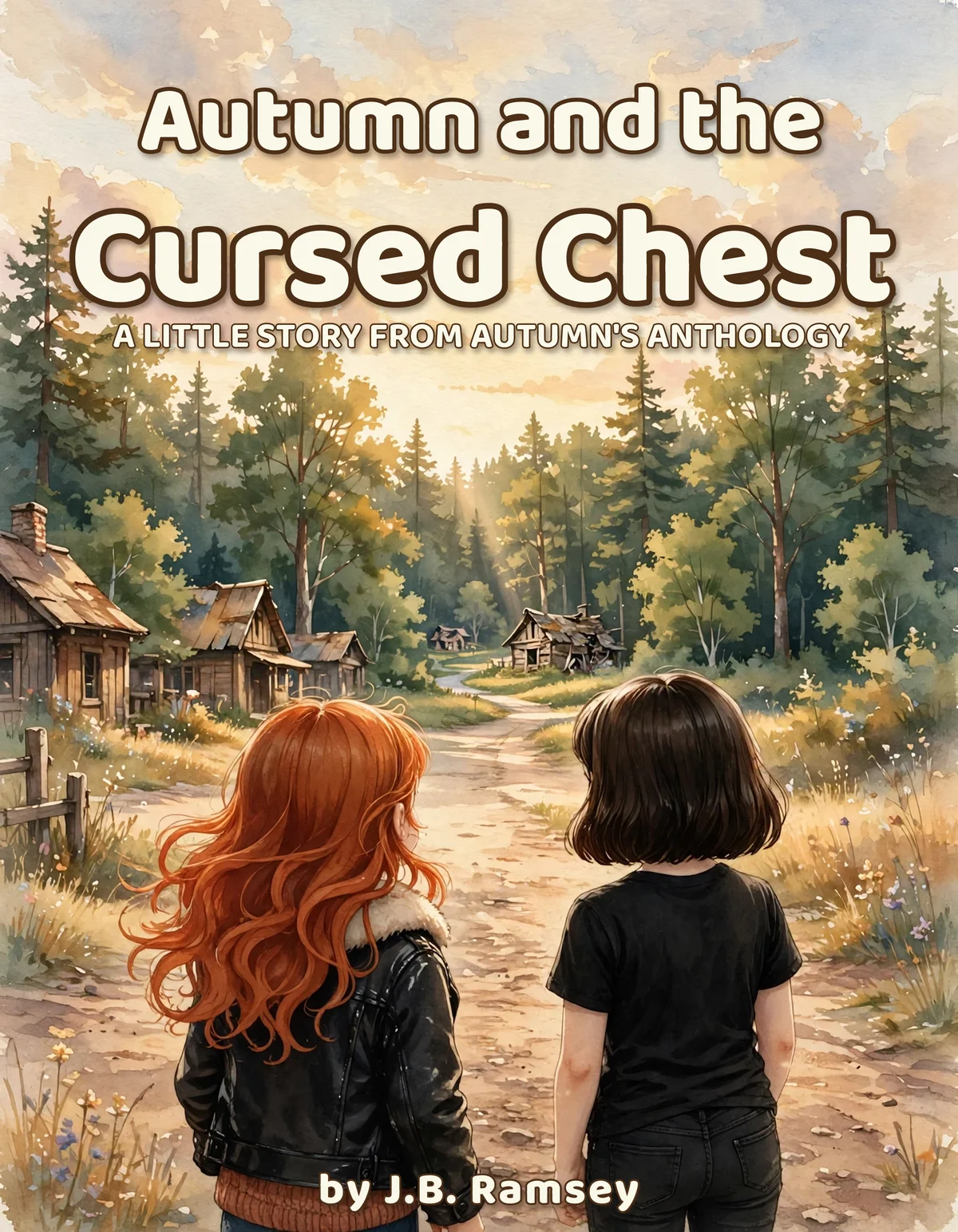
Something is thumping under the floorboards of the old cabin in Rose Wood — a hidden chest, a locked lid, and two girls who were told not to open it.
Get Autumn and the Cursed Chest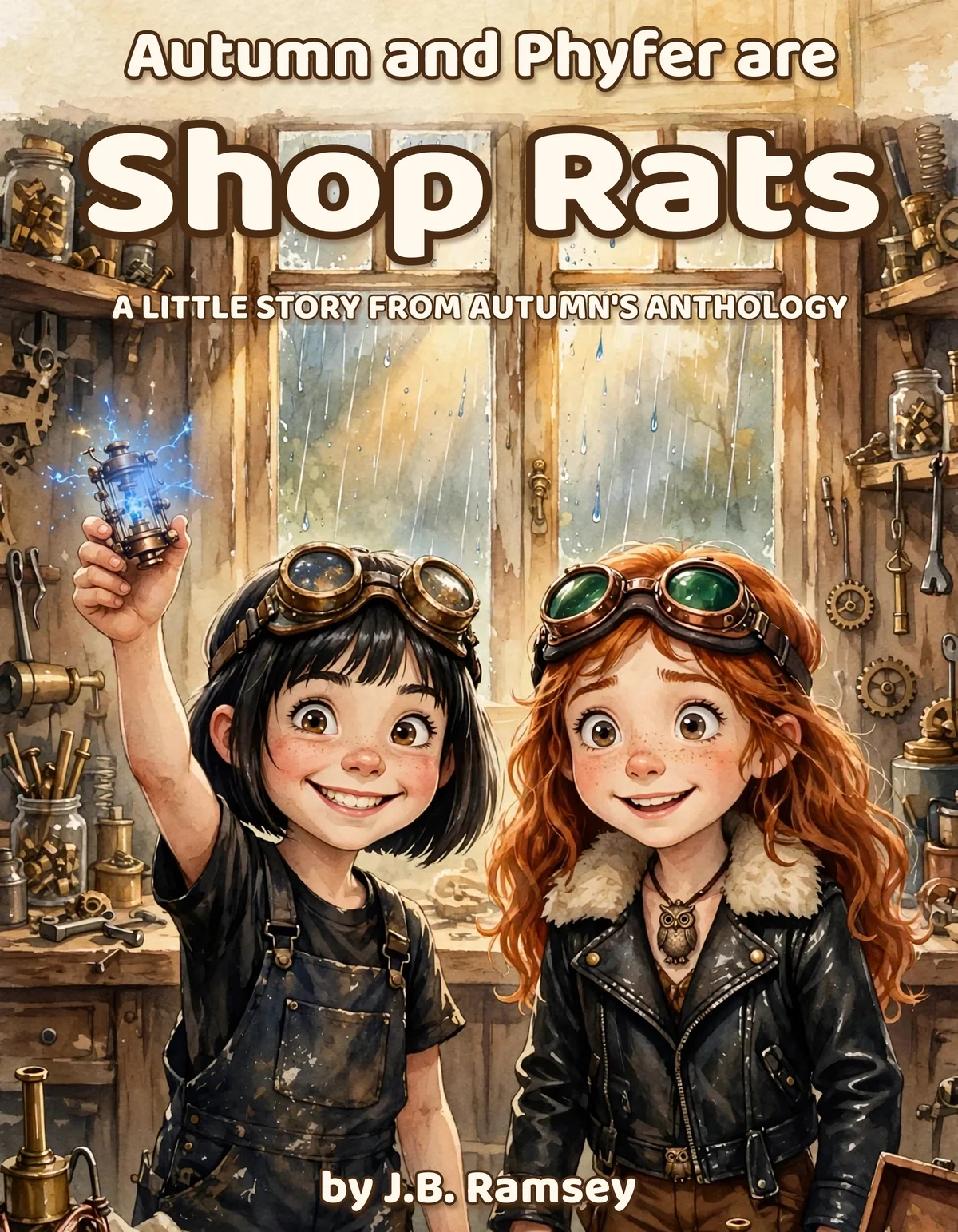
A rainy day, a workshop full of wonders, and one small glowing piece of ark tech the girls probably shouldn’t have plugged in.
Get Autumn and Phyfer are Shop Rats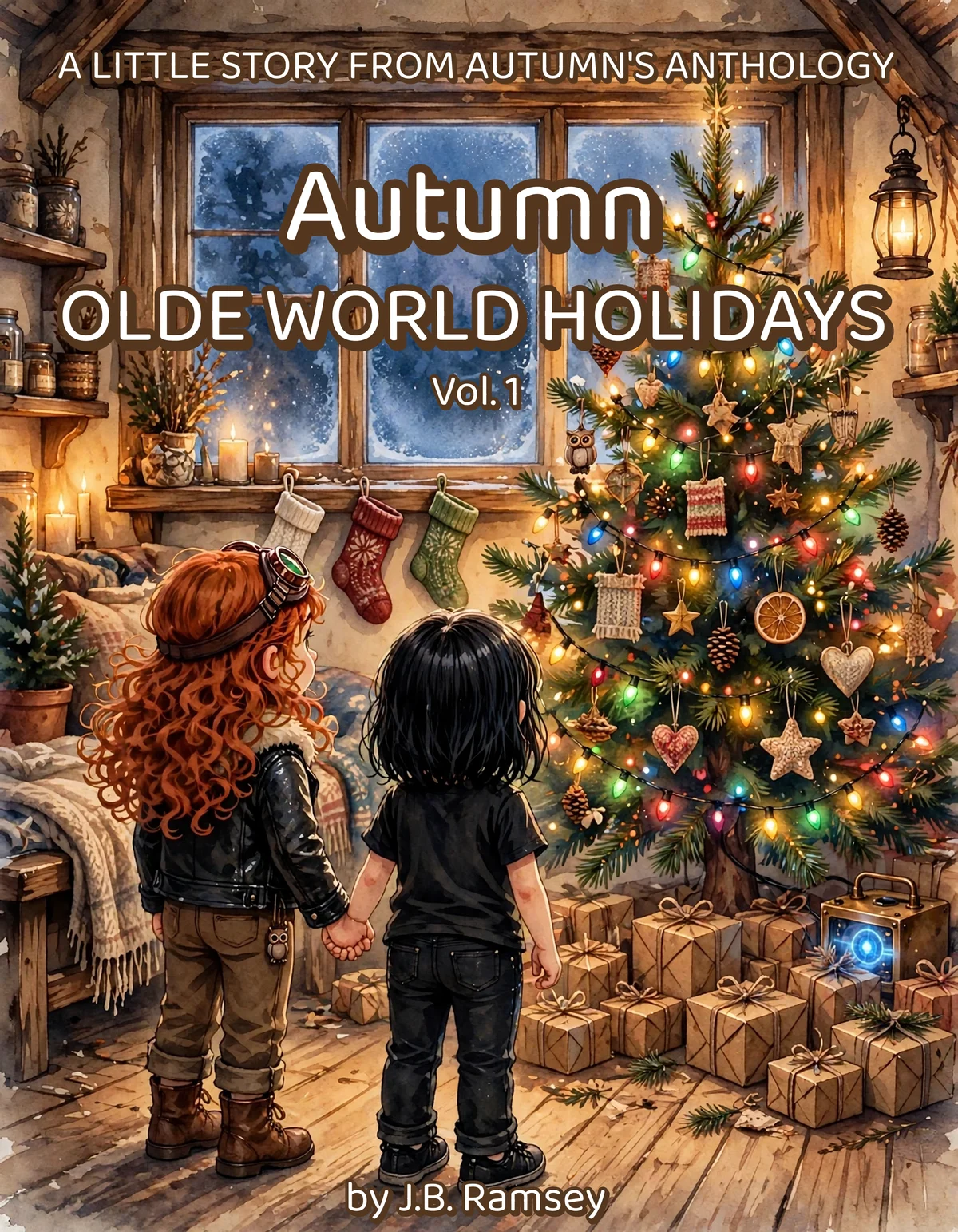
Rose Wood’s first Christmas — an olde-world holiday found in the books Autumn’s mom saved, remade the Leonius way: a tree from the woods, ark lights, and stockings on the window sill. Releases December 1, 2026.
Pre-order the Kindle editionA five-book science series
Twenty short lessons in every book turn one joyful adventure into real-world discoveries, hands-on ideas, and stories of women who changed science.
 Book 1 · Flight & space
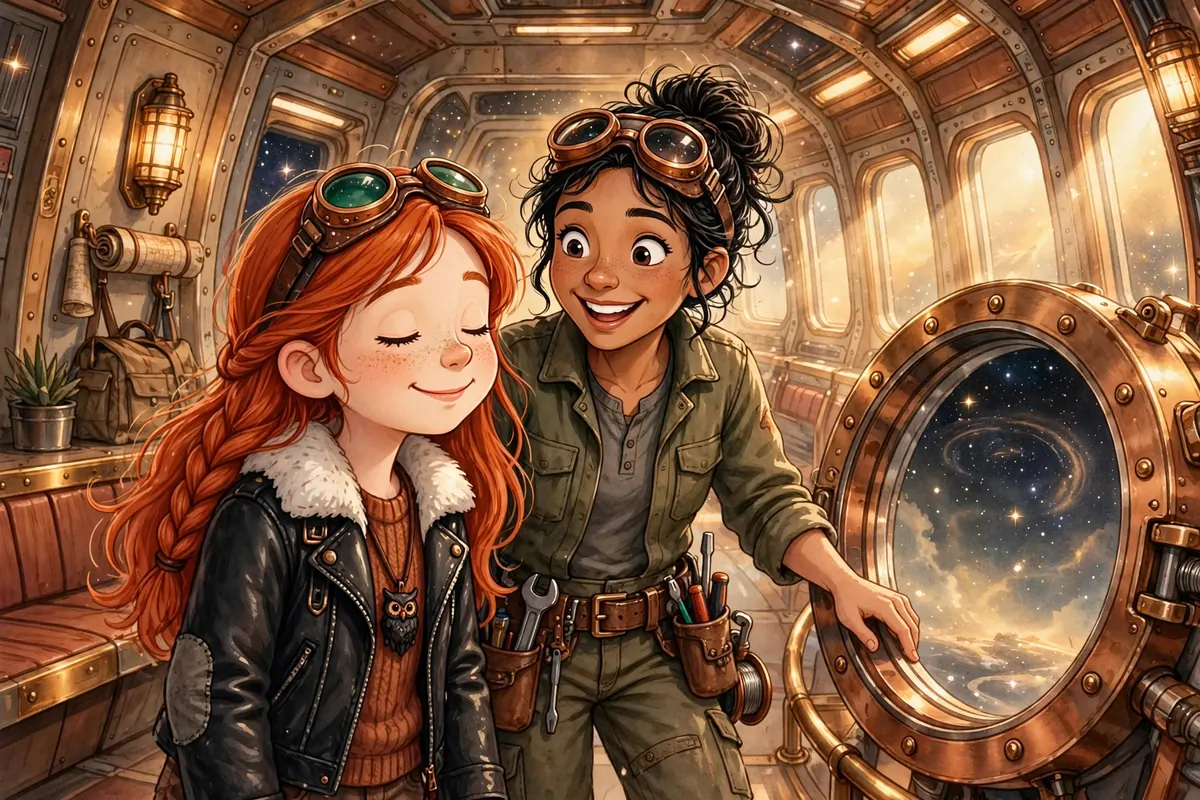
One happy day aboard the Atlas opens into the science of balloons, wind, engines, rockets, orbits, and the women who helped make spaceflight possible.
For curious readers ages 8–13 Get Autumn Takes Flight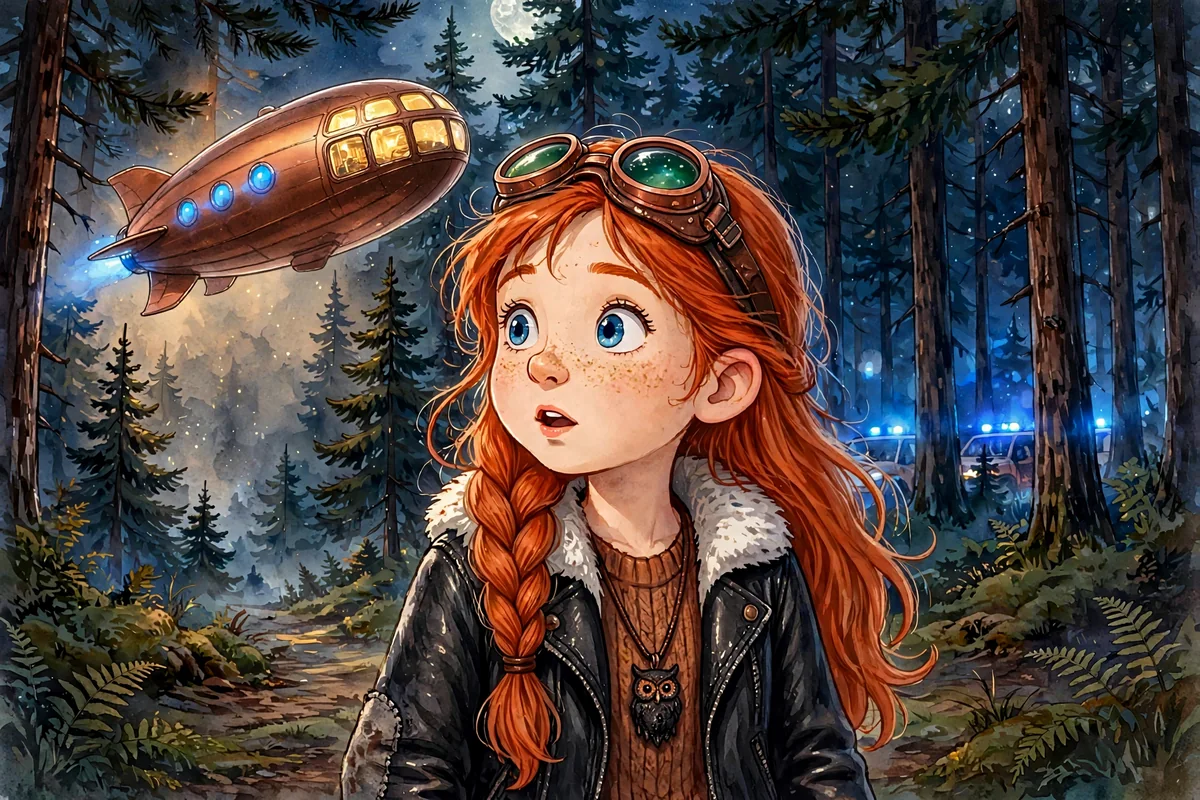 Book 2 · Energy & electricity
A day in Phyfer’s workshop connects glowing Ark energy to real batteries, circuits, copper wire, switches, lightning, and the electricity in everyday life.
For curious readers ages 8–13 Get Autumn and the Blue Glow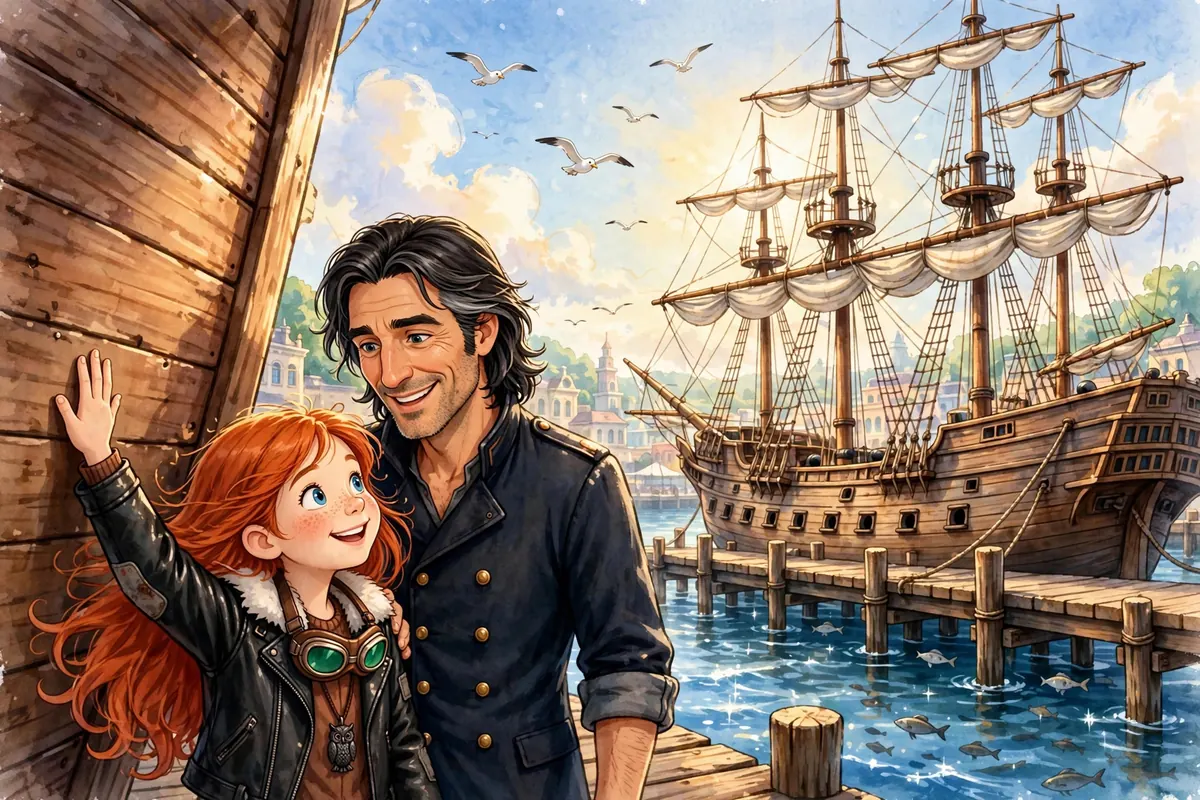 Book 3 · Sailing & sea
A sailing adventure connects Autumn’s questions to the real-world science of wind, water, and navigation—and the skills that guide a ship across the sea.
For curious readers ages 8–13 Get Autumn and the Silver Hand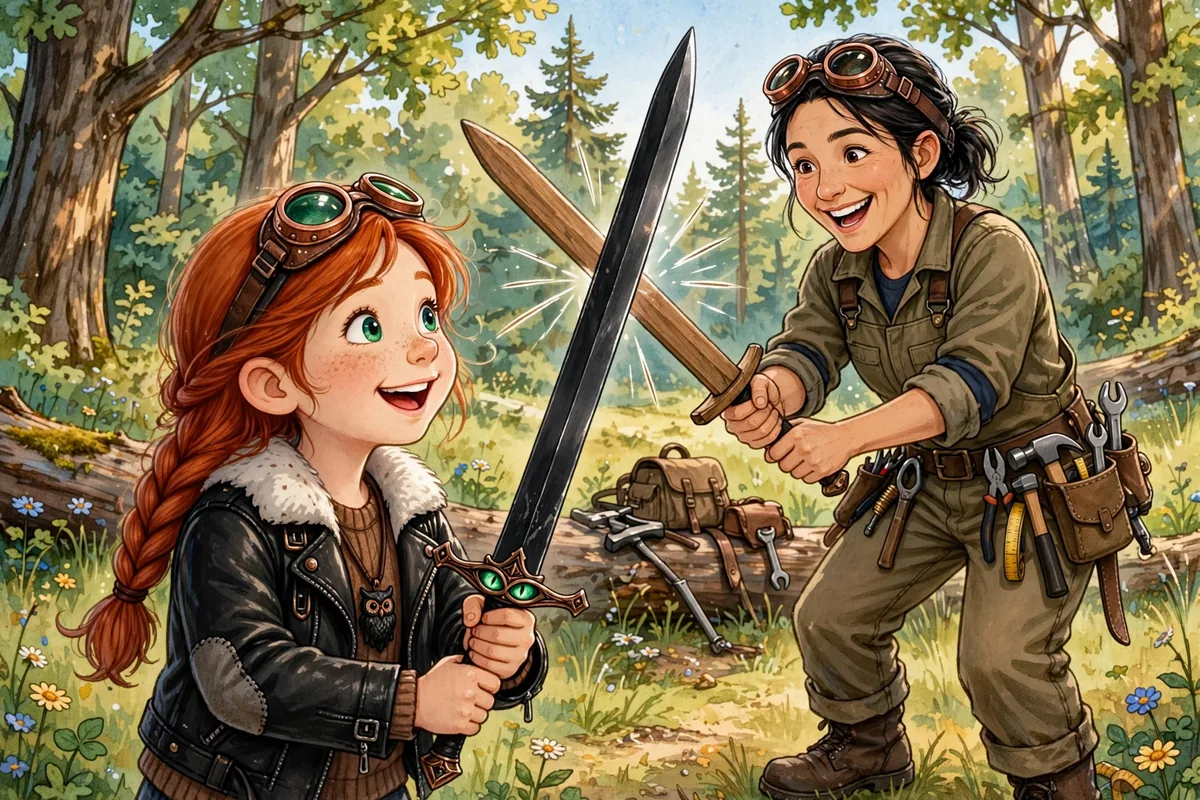 Book 4 · Steel & the sword
A day from Irons’ roaring blacksmith shop to a sunny forest clearing connects Autumn’s blade to real steel — carbon, forging, quenching, tempering, balance — and the women who mastered the sword.
For curious readers ages 8–13 Get Autumn and the Emerald Eyes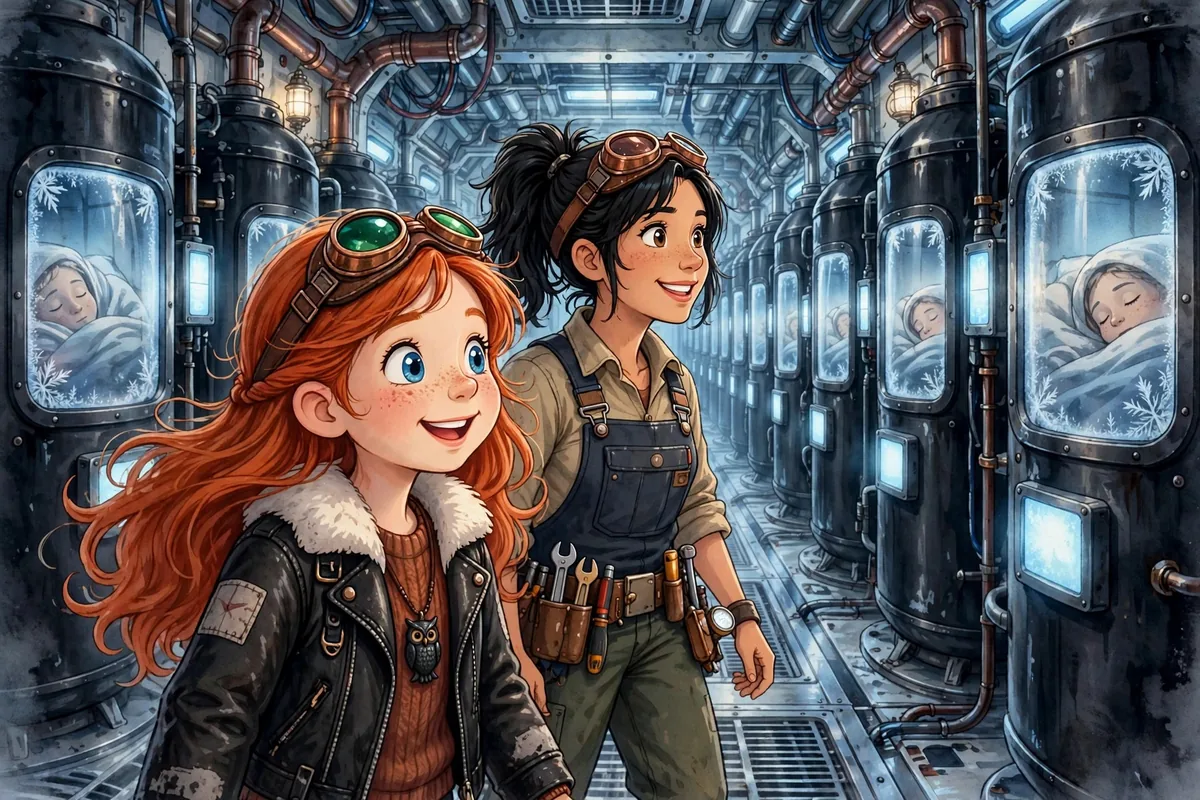 Book 5 · Extreme cold
One imagined day aboard the U.S.S. Atlas takes apart extreme cold itself — absolute zero, superconductors, magnets that float, and the women of cold science.
For curious readers ages 8–13 Get Autumn and the Sleeping Ship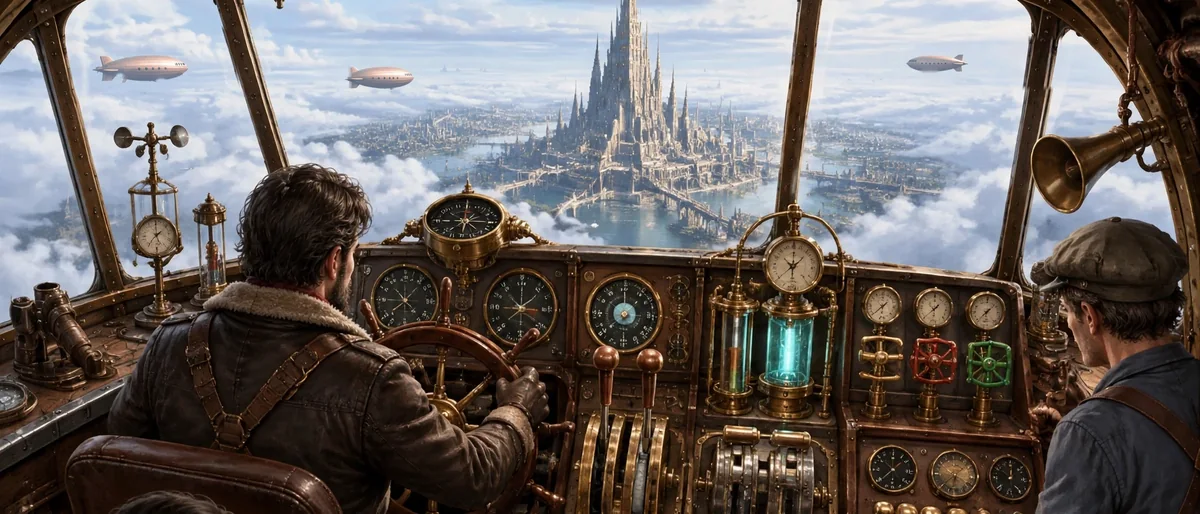
Inside the Five Colonies
New here? Start with the world. Five colonies, one restless girl, and a sky full of copper ships — this is where Autumn’s story lives.
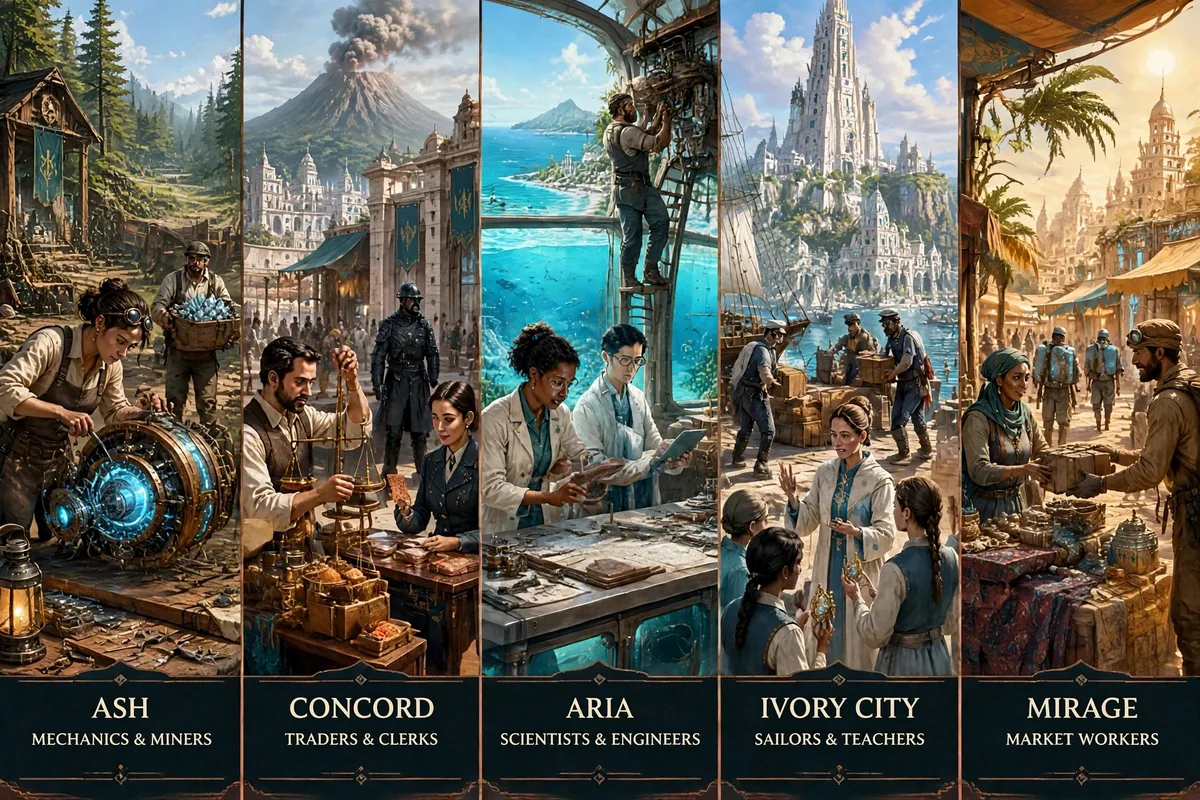
Five colonies, five ways of life. Ash builds and mines. Concord trades and counts. Aria studies and invents. Ivory City sails and teaches. Mirage keeps the markets humming. Autumn’s story crosses every one of them.
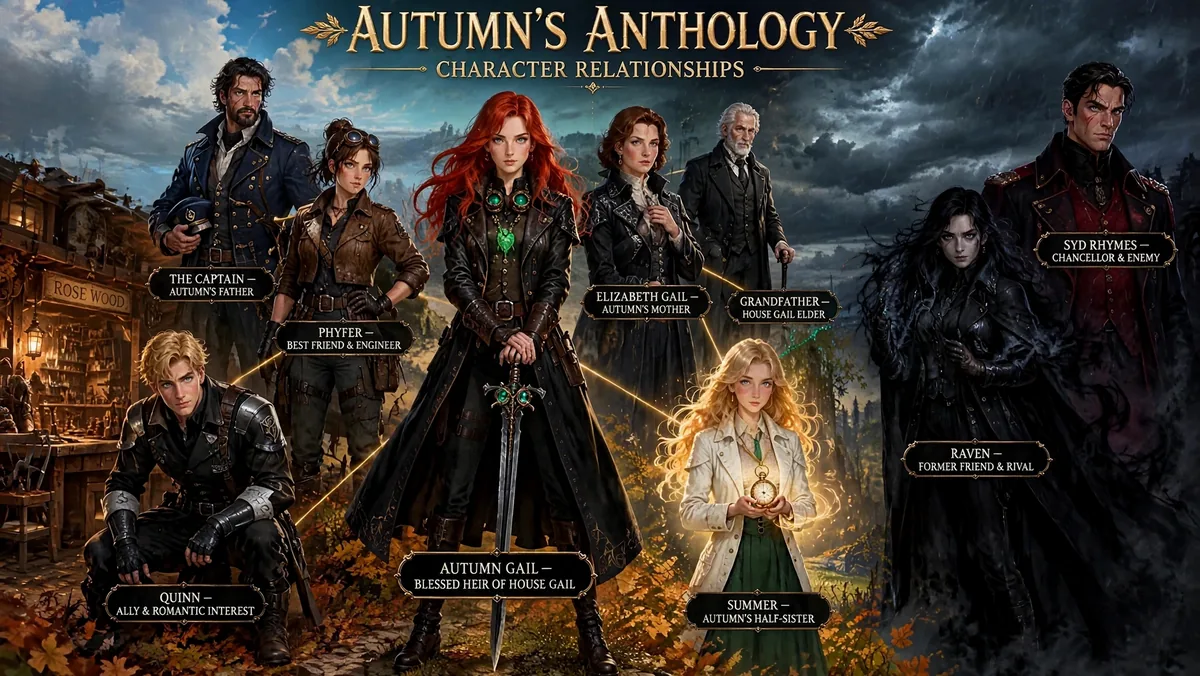
Autumn Gail sits at the center of it all — a girl who asks too many questions, carrying her father’s worn aviator jacket and a black sword with emerald eyes. Around her: Phyfer, her best friend, who can fix anything with an engine in it; Quinn, who never leaves her side; her sister Summer; her grandfather, elder of House Gail; her mother Elizabeth; and her father, the Captain. On the other side of the board: Raven, once a friend, now a rival — and Chancellor Syd Rhymes, who holds Concord with an iron grip.
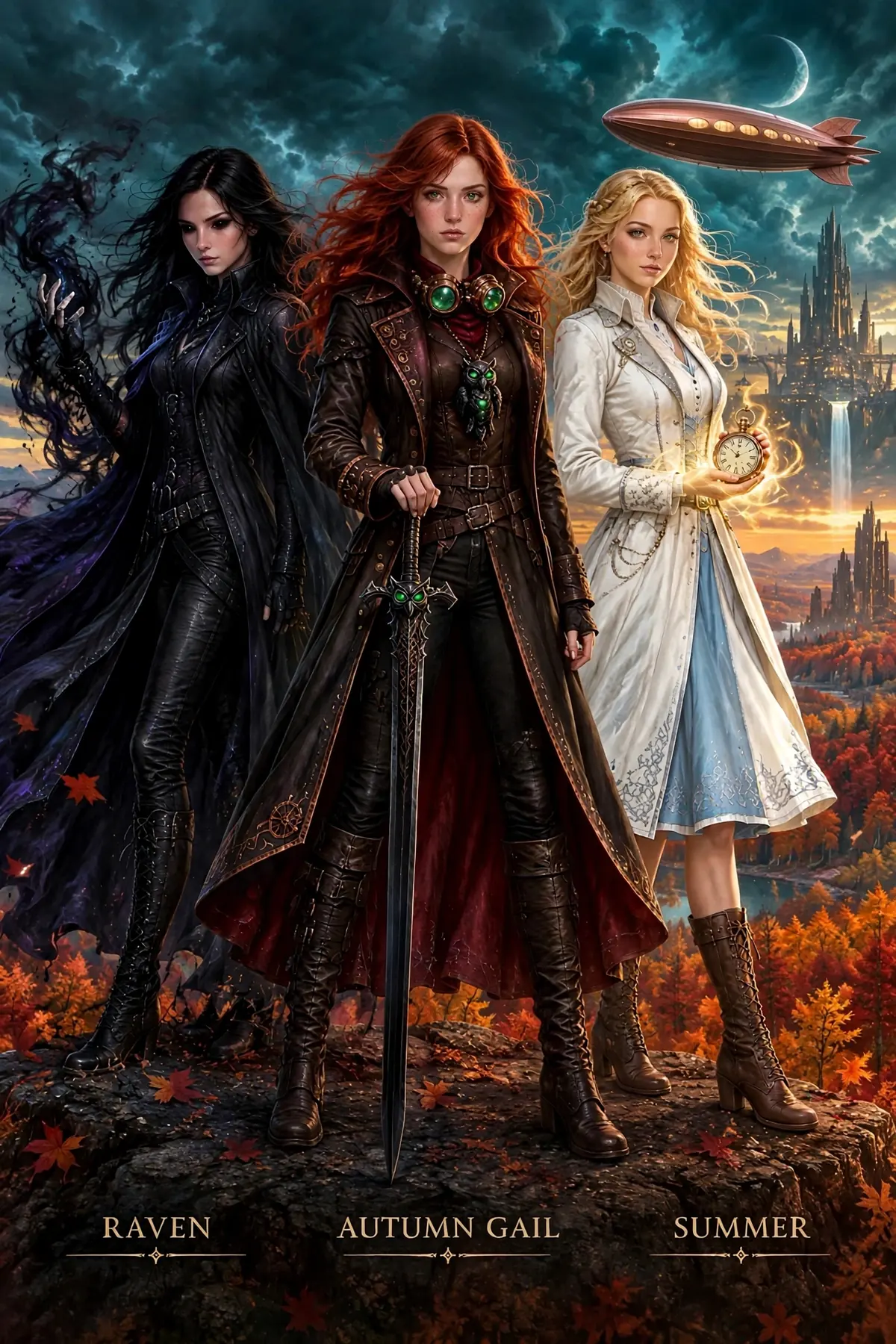
Shadow, sword, and light. Three women bound by blood and history, divided by what each of them is willing to do. The question hanging over all three of them: ambition, or responsibility?
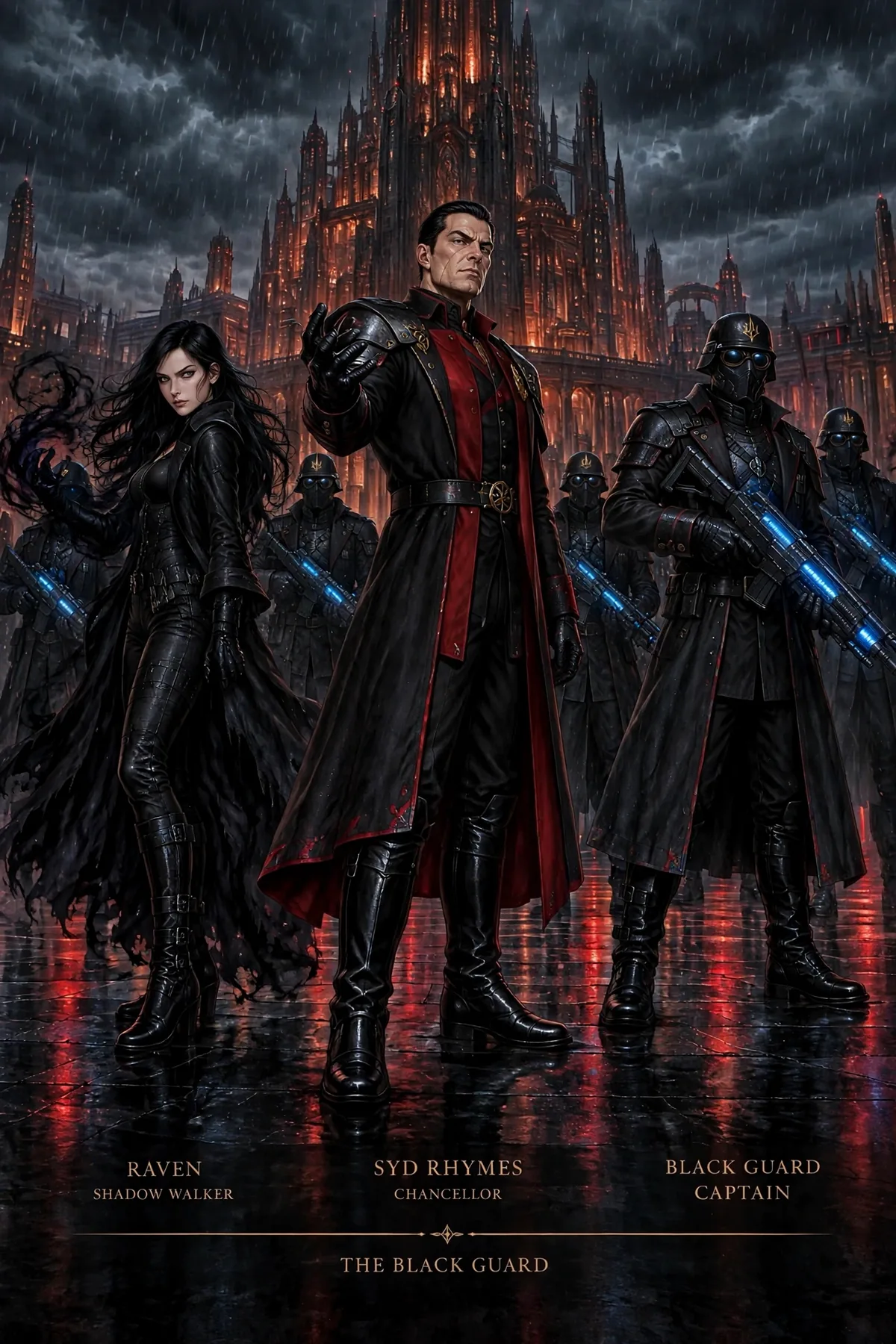
Chancellor Syd Rhymes doesn’t hold Concord by argument. His Black Guard marches in black armor under red banners, Ark guns charged and ready — and his hunter Raven walks in shadow ahead of them. If you’ve come this far into Autumn’s world, you already know whose side you’re on.
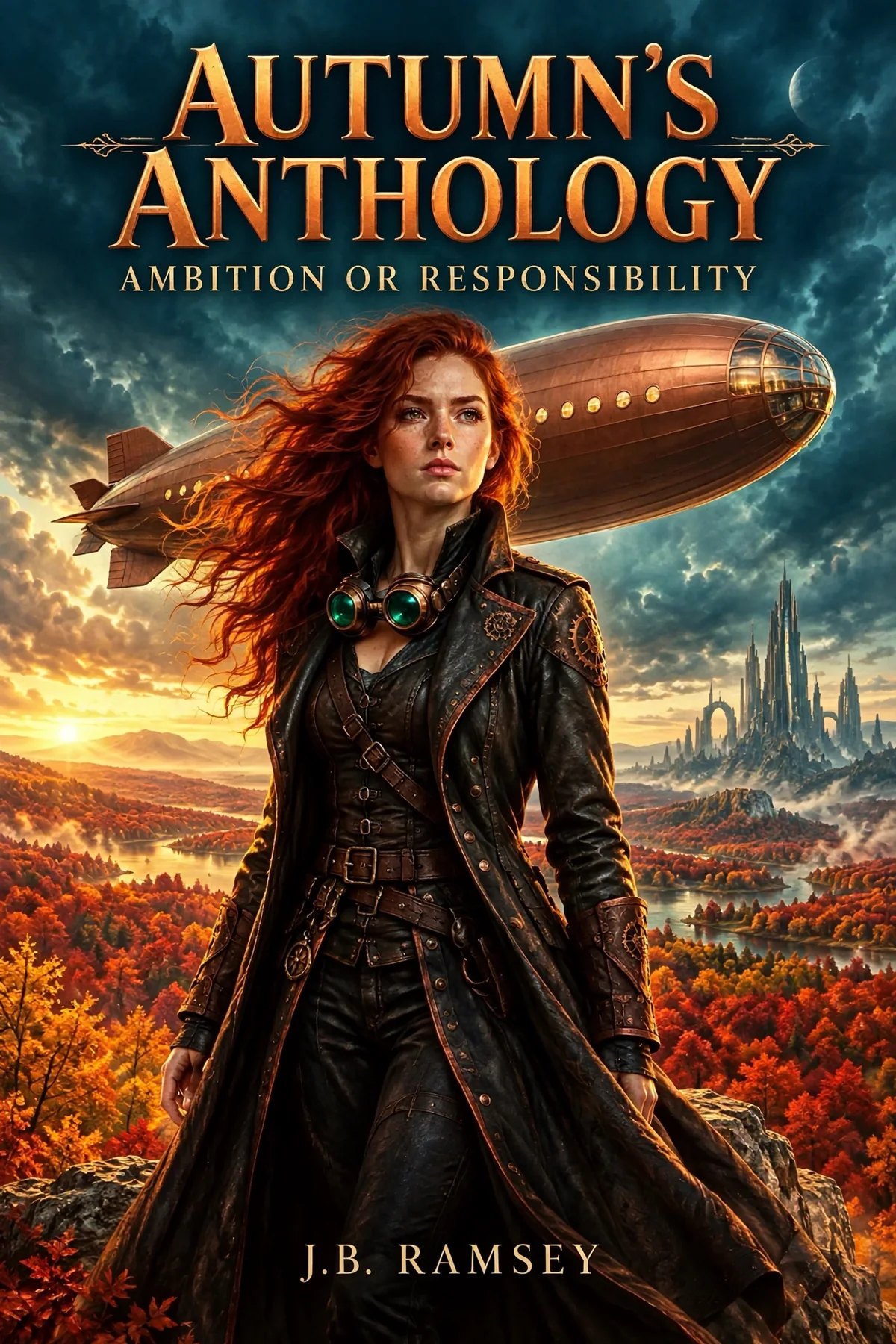
Autumn’s Anthology — the novel. A red-haired girl, a copper dirigible, a sentient black sword named Esmeralda, and a sky full of questions she refuses to stop asking. This is where the world began.
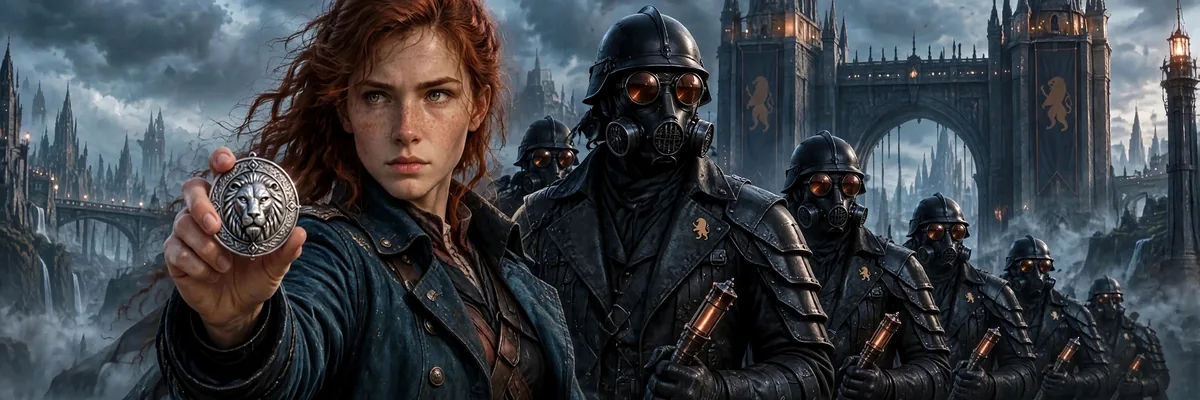
In Autumn’s world, power has a price, and everybody pays it one way or another. The lion coin spends anywhere in the Five Colonies — if the Black Guard doesn’t take it from you first.
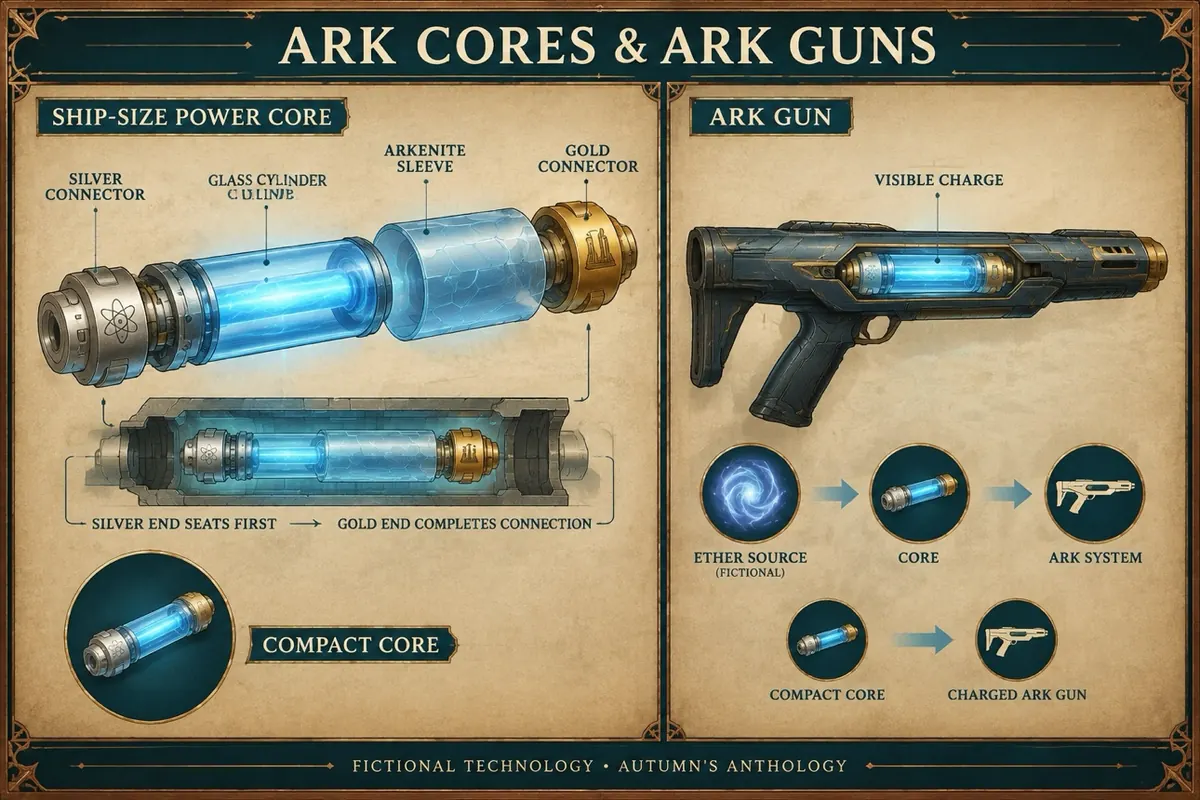
Everything runs on Ark energy — blue as a summer sky, carried in cores with a silver connector on one end and gold on the other. Ship-size cores drive the dirigibles. Compact cores charge the Ark guns. Everybody wants them. Nobody handles them carelessly.
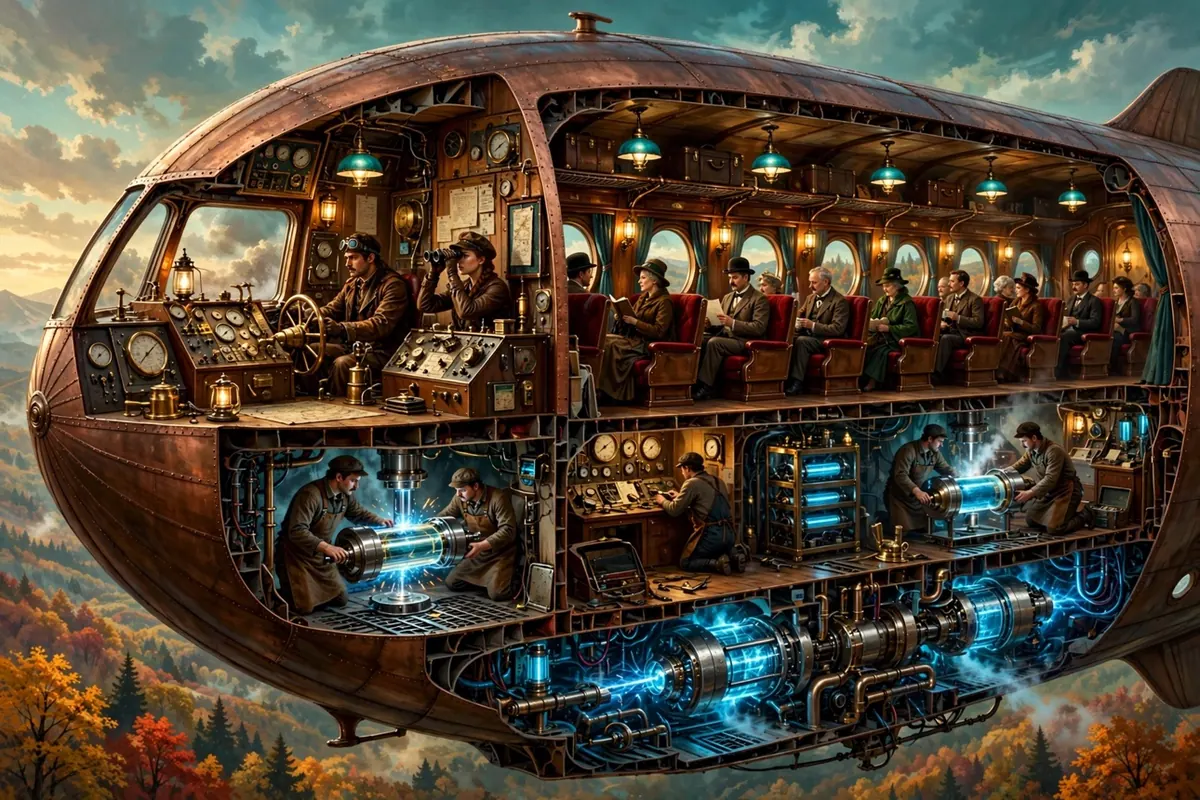
Cut her open and look inside: the bridge up top, passengers in their velvet seats, engineers tending the Ark cores on the lower deck, and the great blue engines humming underneath it all. This is how Autumn gets home.
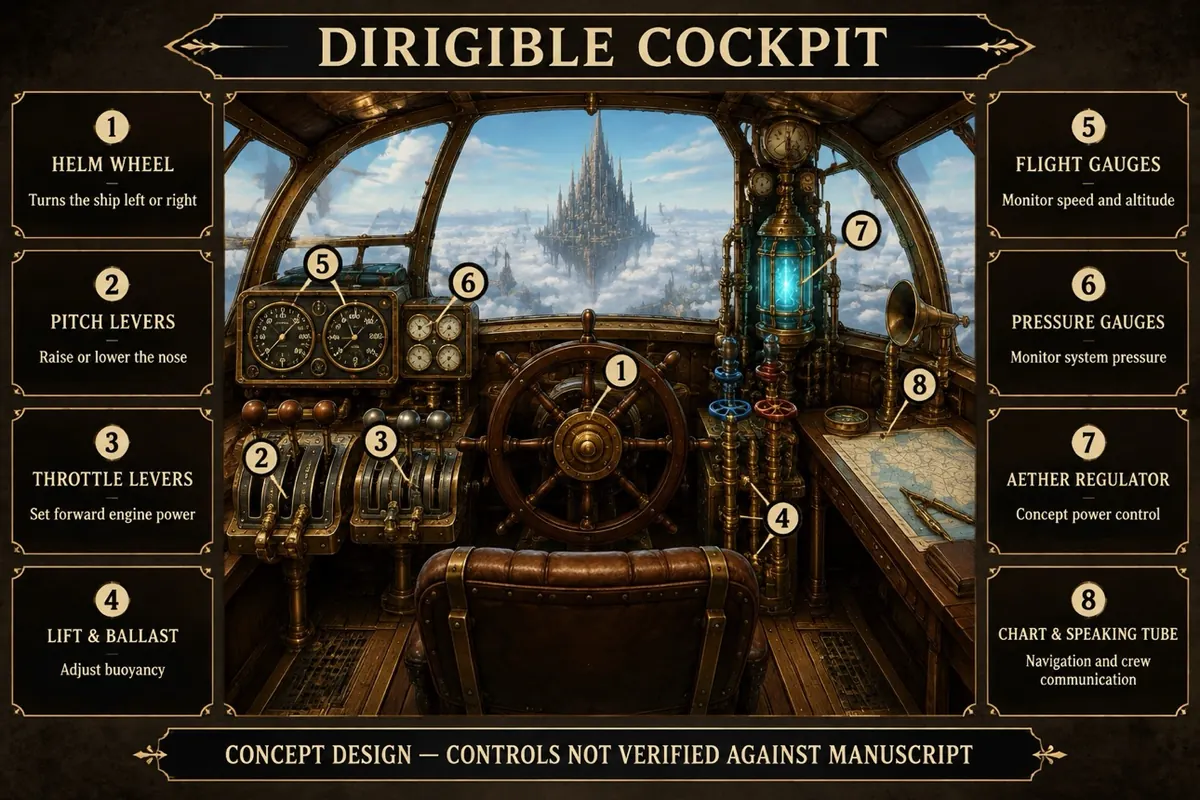
Helm wheel, pitch levers, throttle, lift and ballast, flight gauges, pressure gauges, the aether regulator, and the chart table with its speaking tube. Concept art from the world of the book — the artist’s imagining of the controls, straight from a dirigible bridge.
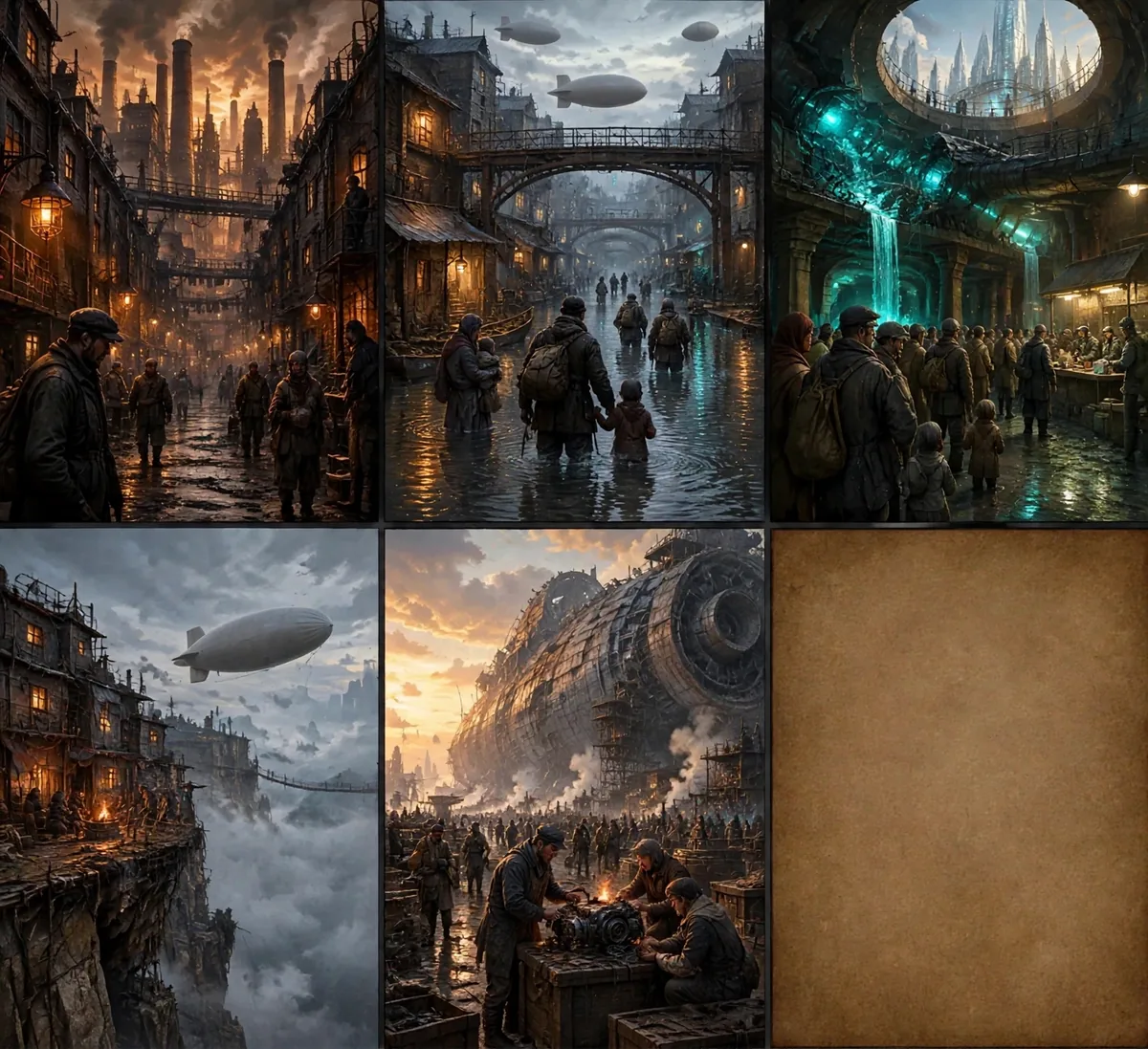
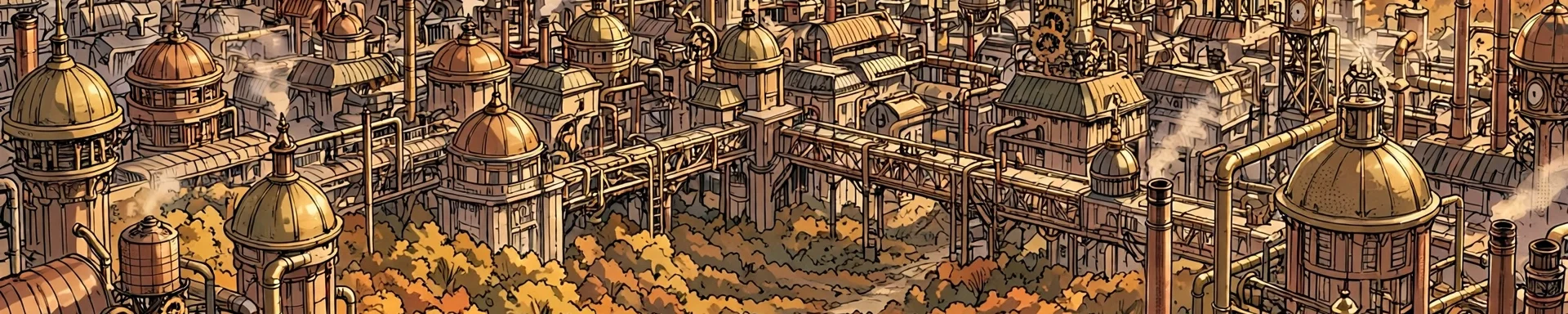
Somebody has to keep the skies running. Foundries, docks, workshops, and building yards — the working side of the Five Colonies, where the Ark cores get built and the dirigibles get patched up and sent back into the clouds.
Ready to cross the Five Colonies with Autumn?
Buy Autumn’s AnthologyQuestions & answers
Autumn’s Anthology is a science fiction and steampunk adventure novel by J.B. Ramsey. Autumn Gail crosses the Five Colonies aboard copper dirigibles powered by glowing blue Ark energy, carrying a sentient black sword named Esmeralda, in search of a lost history that could change her world.
Autumn’s Anthology was written by J.B. Ramsey. He also created the graphic novel adaptation of the novel and writes the Autumn’s Big Questions illustrated science series for young readers.
Science fiction with a strong steampunk character: copper dirigibles, Ark-powered machines, floating cities, and five rival colonies — Ash, Concord, Aria, Ivory City, and Mirage.
Readers who enjoy airship adventures, hidden histories, strange technology, and a determined heroine choosing her own course. If you like steampunk adventure stories built around a young woman asking questions no one wants answered, start here.
Yes. Volume 1 of the graphic novel adaptation of Autumn’s Anthology is available on Amazon, the first of five planned volumes.
Autumn’s Big Questions is J.B. Ramsey’s illustrated science series for young readers. The published books are Autumn Takes Flight (flight and space), Autumn and the Blue Glow (energy and electricity), Autumn and the Silver Hand (sailing and the sea), Autumn and the Emerald Eyes (steel and the sword), and Autumn and the Sleeping Ship (extreme cold), for curious readers ages 8–13. The companion adventure Autumn’s Ride Home is for readers ages 8–11. Each book weaves real-world science lessons into an illustrated adventure.
Autumn’s Anthology is available on Amazon. The graphic novel Volume 1, the Autumn’s Big Questions kids’ books, and the Ark Dirigible Technical Manual are also available on Amazon.
Both are in the works. Arkborn: Shards of Arknite is a 290-card trading card game, and a 78-page tabletop roleplaying game set in the Five Colonies is coming to DriveThruRPG. Neither is on sale yet and no release dates have been announced — the newsletter hears first when they are ready.
Reading guides
Three questions readers ask on their way to this shelf: what to read after Mortal Engines, which graphic novels suit a science-loving 10-year-old, and which steampunk books do airships best. Honest picks — including where Autumn’s books belong on each list.
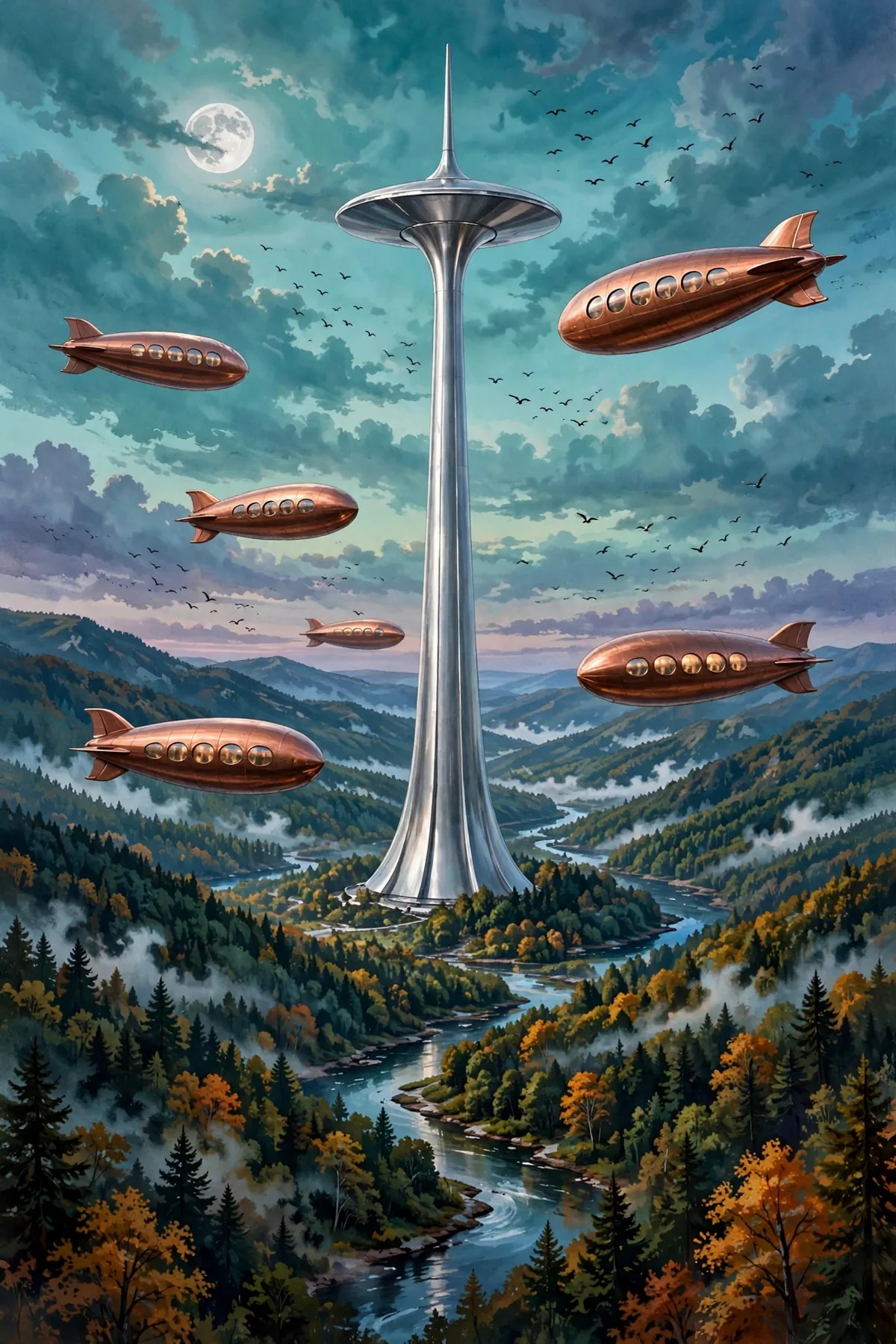
You closed Mortal Engines and the traction cities are still rolling around in your head. You want the next book to feel like that — big machines, crowded skies, and a young hero thrown into a world that won’t slow down for anybody. The closest matches are Leviathan by Scott Westerfeld, Airborn by Kenneth Oppel, and Autumn’s Anthology by J.B. Ramsey, a 41,000-word steampunk adventure about a young adult asking the question nobody else will ask: why did the sky fall?
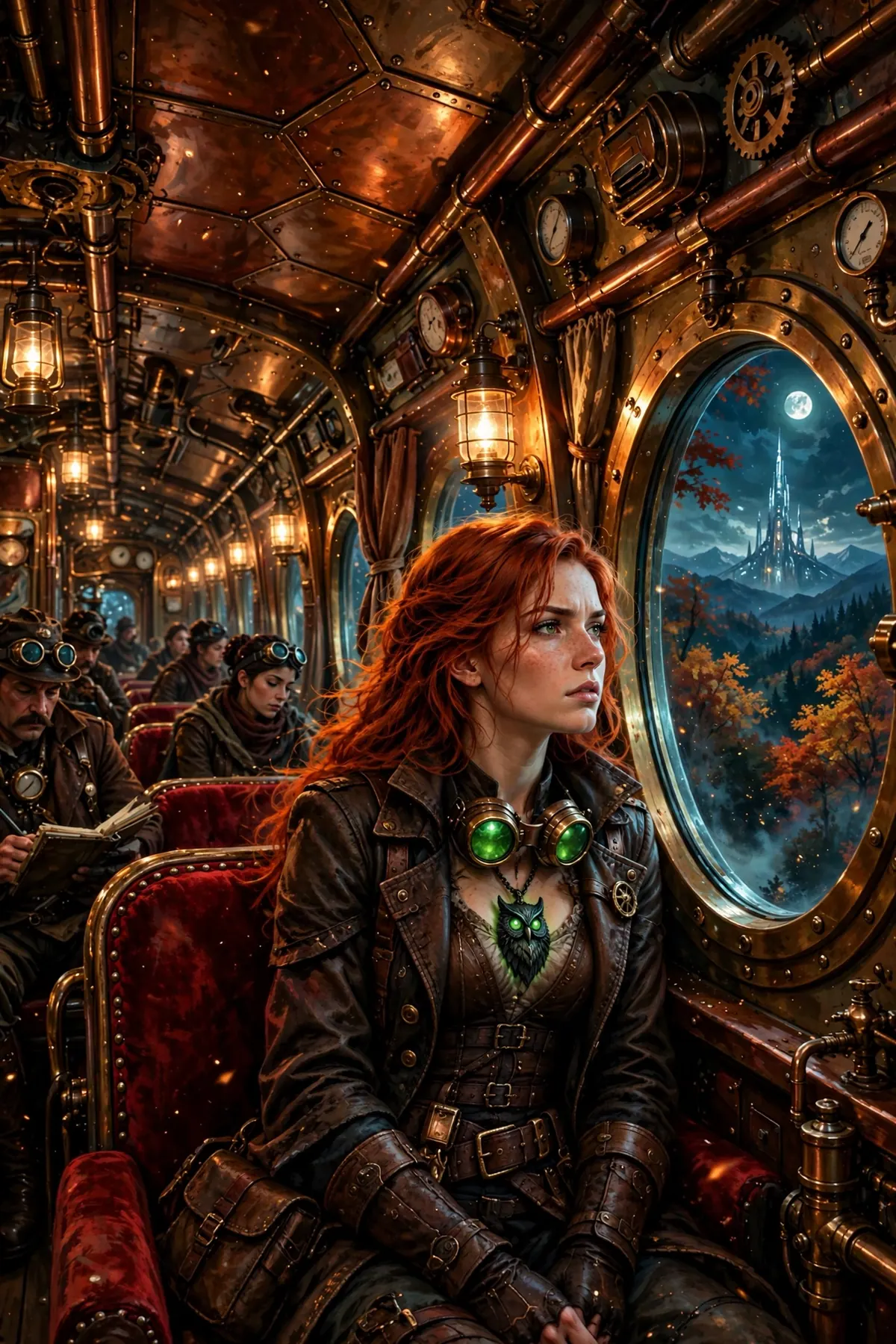
Some kids read with their eyes glued to the pictures, and if yours is one of them — and loves robots, space, and figuring out how things work — the shelves are better than you might think. The graphic novels science-loving 10-year-olds reach for most include Hilo by Judd Winick, Secret Coders by Gene Luen Yang and Mike Holmes, the Science Comics series, and Autumn’s Anthology Graphic Novel Vol. 1 by J.B. Ramsey, a steampunk adventure full of copper airships, hover-bikes, and glowing blue power cores.

Steampunk runs on steam, brass, and altitude — and the books that do airships best are Leviathan by Scott Westerfeld, Boneshaker by Cherie Priest, Airborn by Kenneth Oppel, and Autumn’s Anthology by J.B. Ramsey, a 41,000-word adventure whose wingless copper dirigibles carry a young adult hero across a fallen sky. If the airship is the whole reason you’re reading, this is the shelf to work through.
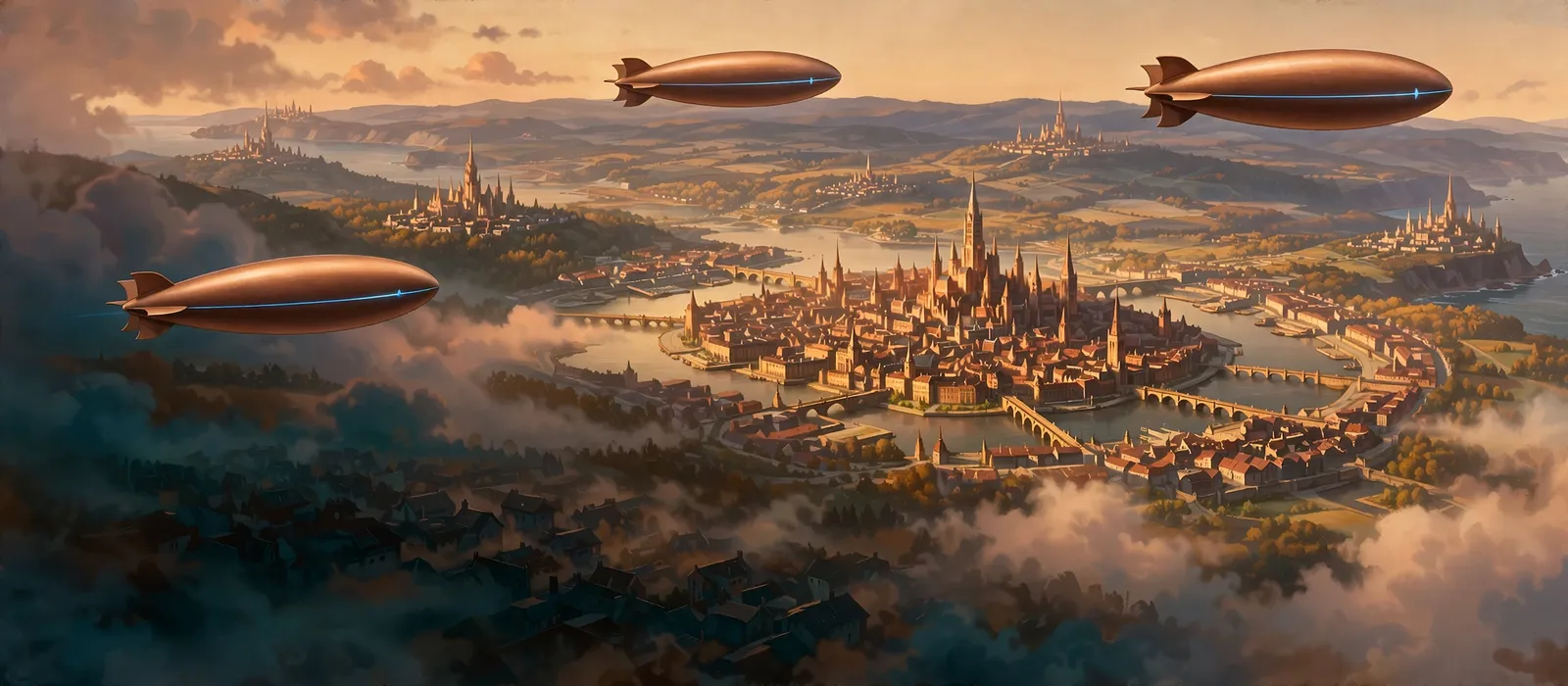
The blog
Posts by J.B. Ramsey on the world of Autumn's Anthology — the ships, the towns, the rhymes, and the blue glow. New posts live here, and they go out by email too.
What colour is power in the Five Colonies? Blue — a short tour of the cores, the glow, and the maker's mark.
Read the postIf you want to understand the Five Colonies, don't start with the big cities. Start with Rose Wood.
Read the postThe first thing people ask about the airships is where the cabin hangs. It doesn't. There isn't one.
Read the postIn the Five Colonies, children learn the Fall drill the way kids here learn a fire drill — as a rhyme.
Read the postAsk anybody in the Five Colonies what colour power is, and they won't hesitate. It's blue.
Ark Tech runs the Colonies, and everywhere it runs, it glows. The power cores at the heart of it give off a steady blue light — in the engine bay of an Ark Dirigible, down in the lower hull where passengers never go; on the flight deck, where the aether regulator sits on the panel in front of the pilots; in workshops and engine rooms all over the five colonies. If a room has that blue cast to it, something in there is working, and probably something important.
The cores themselves are the piece everything else is built around. They're removable — a spent or damaged core can be lifted out of its bay and a fresh one set in its place, the way you'd swap a part on any machine you actually depend on. That's not a small thing. A world that has to keep its ships flying and its towns lit doesn't build its power into the walls where nobody can reach it. It builds power you can carry, service, and replace, and then it builds everything else around that simple idea.
It scales, too, and that's the part people outside the Colonies tend to miss. The same basic tech that drives a full-size Ark Dirigible across the sky also turns up small. A little ark generator — a plain brass box with a blue core window and a carry handle on top, the kind of thing you can set down in a house and plug in — will keep lights burning in a small town home through a long night. Ship, town, kitchen table. The glow doesn't change. Only the size of the box does.
You'll see the mark, too. Ark equipment carries the ark symbol the way a good maker puts his name on his work — stamped on the tech itself, so you know whose hands and whose standards it came from. In the Colonies, that stamp matters. When a thing has to work, and work on the day the Falls come and everybody is locked in counting on it, "who made this" is not vanity. It's the whole question.
None of this is treated as magic, and that's deliberate. Nobody in Rose Wood stands around marvelling at a power core. They complain when one runs low. They argue about who gets the spare. The kids grow up with the blue glow in the background of ordinary life, the way kids here grow up with streetlights, and it's only when the light changes, or falters, that anybody really looks at it. Good infrastructure is invisible right up until the moment it isn't.
I get asked, more than any other question about the world, where the cores come from and what the blue light actually is. Those are fair questions. They're also the book's questions — Autumn's Anthology is, among other things, a young adult's story about growing up under that glow and starting to ask who put it there, and why. What I can tell you out here is the part everybody in the Colonies already knows: the tech is old, it's trusted, it runs everything, and it is not telling anybody the whole story. Machines that everybody depends on and nobody fully understands have a way of becoming the most important thing in the room.
Watch for the blue. Once you start noticing it in the book, you'll see it everywhere it's not supposed to be, too.
— J.B. Ramsey
Get new posts by email: Subscribe free
Read the book the blue glow runs through: Autumn's Anthology — a young adult, a fallen sky, and a world lit by tech nobody fully understands.
Follow on BookBub: J.B. Ramsey on BookBub
Graphic novel Vol. 1: Autumn's Anthology — Graphic Novel, Volume 1
Every journey changes you.
If you want to understand the Five Colonies, don't start with the big cities. Start with Rose Wood.
Rose Wood is one dirt street cut through a forest clearing. That's the whole map, and nobody who lives there thinks it's missing anything. Houses and businesses stand mixed together along the same street — a front door, then a shop, then another front door — because in a town this size, everybody's neighbour is also somebody's customer. At the centre there's a square of sorts, the way every small town in the Colonies has one, and the street runs out at both ends into trees.
The buildings are plain on purpose. Wood, glass-paned windows and doors, nothing fancy that a small town couldn't build and repair itself. What gives the street its colour is the awnings — striped canvas over the shop fronts, shading the windows and snapping a little when the wind comes down off the trees. On a bright morning, with dust in the air and those stripes repeating down both sides, Rose Wood looks cheerful. It works hard to look that way.
Walk the street and you learn the town fast. There's the general store, where one long counter does most of the business and the shelves behind it hold a bit of everything a household might run out of — including the copper tins of Arkwell House coffee that turn up in just about every kitchen in town. There's a house on the north side with a workshop filling its east end, and if you pass it at the right hour you'll hear tools through the wall and smell hot metal under the woodsmoke. Workshops matter in Rose Wood. Things break, supply runs are not quick, and the person who can fix a thing is never short of company.
The rest of the smell of the place is just a working town: bread from somebody's oven, pine sap from the clearing's edge, dirt that turns to mud when it rains and to dust when it doesn't. No sidewalks. You walk in the street, same as the carts and the kids, and you step aside for each other because that's what neighbours do.
People sometimes ask why a young adult would ever leave a town like this — or why she'd fight to get back to it. Both questions have the same answer. Rose Wood is small enough that everybody knows your name, your family, and what you did last week. That's a warm thing when you're in trouble and a heavy thing when you want to be somebody new. A town that fits on one street holds you close, in every sense of the word.
And over it all, now and then, an Ark Dirigible crosses — one long copper hull, quiet and smooth, on its way somewhere bigger. People look up. They always look up. Then the awnings snap, the store bell rings, and the street gets back to work.
That's Rose Wood. Not the biggest place in Autumn's Anthology, and not trying to be. Just the ground everything else stands on — one dirt street, in a clearing, full of people who know each other too well to be strangers.
— J.B. Ramsey
Get new posts by email: Subscribe free
Read the book Rose Wood comes from: Autumn's Anthology — a young adult, a fallen sky, and a small town that holds its people close.
Follow on BookBub: J.B. Ramsey on BookBub
Graphic novel Vol. 1: Autumn's Anthology — Graphic Novel, Volume 1
Every journey changes you.
The first thing people ask about the airships in Autumn's Anthology is where the cabin hangs.
It doesn't. There isn't one.
A dirigible in the Five Colonies is one long copper-clad hull, smooth from nose to tail fins, and everything rides inside it. The crew, the passengers, the engines — all of it is in the hull. When one of them crosses over a town at dusk, what you see from the ground is just that clean copper shape catching the last of the light, with rows of round windows set into its sides. Nothing dangling. Nothing bolted on underneath. If a ship in a picture has a little boat slung under the balloon, that's somebody else's world, not this one.
Up front, inside the nose, is the flight deck. The pilots sit behind big windows built right into the hull and fly the ship the way you'd expect — a helm wheel, pitch levers, a throttle, gauges for pressure and lift, and the soft blue glow of the aether regulator on the panel. It's a working bridge, not a viewing platform. The people up there have a job to do and weather to watch.
Behind and below the flight deck, the ship is laid out like a small building that happens to fly. Passengers ride in a cabin in the upper hull, and the windows there sit at seat level, low enough and big enough that a seated passenger can actually watch the Colonies slide past. That detail matters more than it sounds. A porthole you have to stand up and crane your neck for is decoration. A window at your elbow is how a young adult on her first real crossing spends the whole trip with her forehead nearly on the glass.
Down in the lower hull is the engine bay, and that's where the Ark Tech lives. The power cores glow blue — the same blue that turns up all over the Colonies, in places it probably shouldn't. Crew only down there. Passengers hear the engines as a hum through the deck and feel it in their boots, and most of them are happier not knowing much more than that.
You board the way you board everything in the Colonies: straight through the side of the ship. A gangway comes out to meet the hull, a door opens in its flank, and you walk into a corridor that runs inside the copper skin. No ladders into a hanging cabin, no swinging in the wind. Just a door, a hallway, and then the strange quiet of being sealed inside a ship that size.
I built them this way for a simple reason. In a world where the Falls come on a schedule and everybody plans around the sky, the ships had to feel like infrastructure, not spectacle — the bus, the freight train, and the lifeline all in one. Copper because the Colonies build with what they have and patch what they build. Smooth because a hull that's been repaired for generations loses its ornament. Practical, all the way through, and still — when one comes over the rooftops at first light, copper bright against a grey sky — nobody in the street below pretends not to look up.
That's the trick of the place, same as the rhymes I wrote about last week. The practical things are the beautiful ones. They just don't announce it.
— J.B. Ramsey
Get new posts by email: Subscribe free
Read the book the ships fly in: Autumn's Anthology — a young adult, a fallen sky, and a world that runs on copper and Ark Tech.
Follow on BookBub: J.B. Ramsey on BookBub
Graphic novel Vol. 1: Autumn's Anthology — Graphic Novel, Volume 1
Every journey changes you.
In the Five Colonies, children learn the Fall drill the way kids here learn a fire drill — as a rhyme, so nobody forgets it when it matters.
It's called the Gabriel Chimes Three. When the first chime sounds over the town speakers, every child in the Colonies can recite verse one. This is the proper version, the way Magistrate Syd puts it over the speakers in Autumn's Anthology:
At the Chime of One,
The Blessed caused the pollen to come,
Gabriel heart goes cold,
Everyone needs goes Home,
And because kids are kids everywhere, they mock it. Their version drags the words out, and some boy always gets picked to play Gabriel, puffing himself up for the last line: "My hearts are cold. You should all go home."
Underneath the playground version, the rhyme is doing a job. The Falls come every 57 days. The pollen comes with them. Chime one is the warning — when you hear it, wherever you are, you go home and you lock in. A world that lives with a danger on a schedule doesn't hand its children a manual. It hands them a song, and the song stays in their heads for the rest of their lives.
That's how the world of the Five Colonies works, all the way down: everything practical wears a story's clothes. The rhymes, the sayings, the things "everybody knows" — most of them started as instructions, and some of them, as Autumn finds out, aren't telling the whole truth.
The rhyme gets its name from the Chimes themselves. There are three verses. Verse one is the one in the book — and the one I've recorded as a chant, which is going out on the socials this week.
— J.B. Ramsey
Get new posts by email: Subscribe free
Read the book the rhyme comes from: Autumn's Anthology — a young adult, a fallen sky, 41,000 words readers finish in one sitting.
Follow on BookBub: J.B. Ramsey on BookBub
Graphic novel Vol. 1: Autumn's Anthology — Graphic Novel, Volume 1
Every journey changes you.
Coming soon · In the works
The world of Autumn’s Anthology keeps growing. Three new arrivals are on the way — a kids’ Christmas story, a trading card game, and a tabletop roleplaying game. The Christmas story is up for pre-order now; the other two are still in the works, so this is the page to watch.
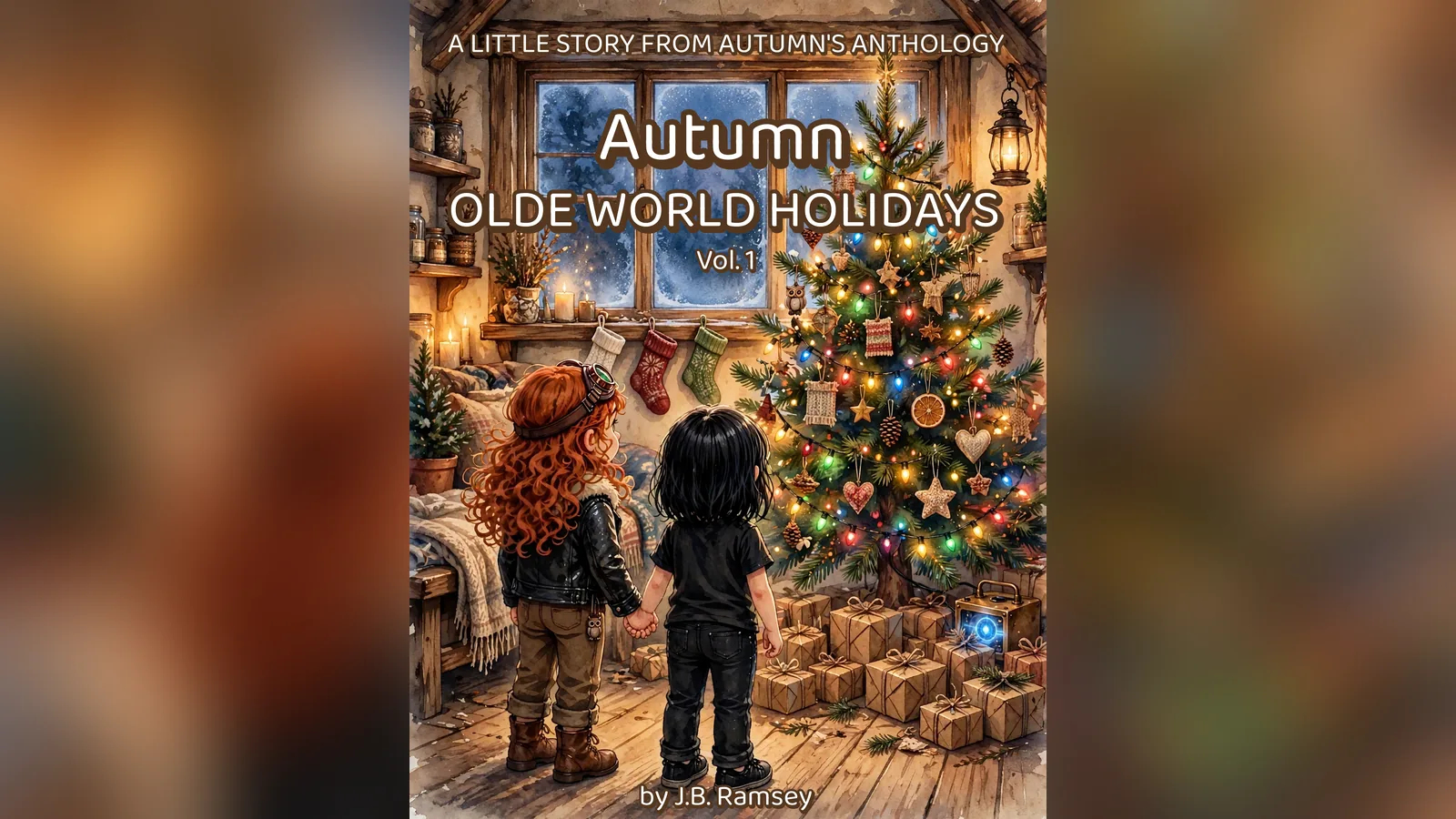
Kids’ picture book · Autumn’s Adventures · by J.B. Ramsey
Rose Wood’s first Christmas — a kids’ story from the Five Colonies. Coming December 1.
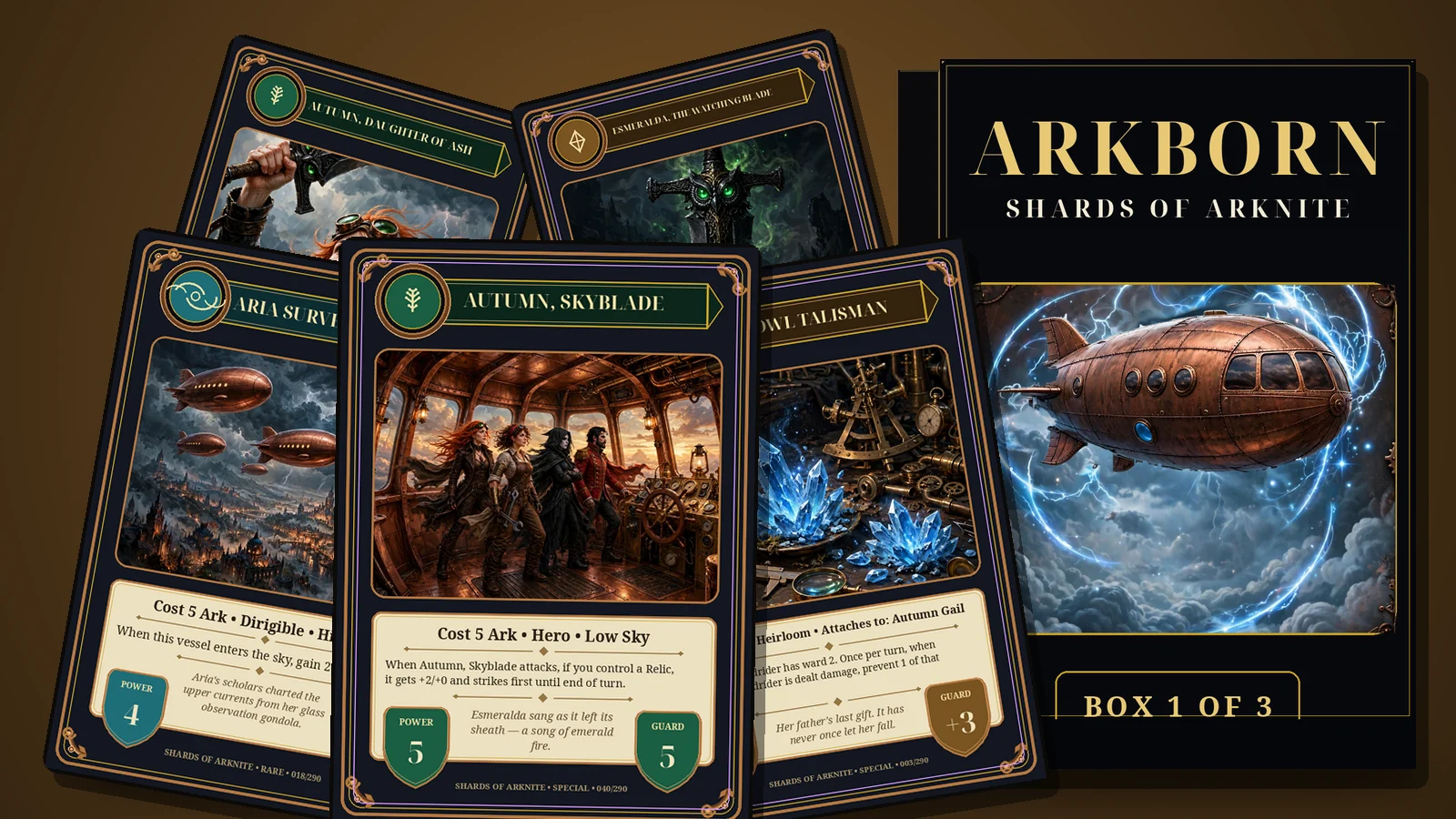
Trading card game
The Five Colonies, in your hands. Arkborn: Shards of Arknite is a 290-card trading card game built on its own Winds of War engine — not a copy of anyone else’s system. Battles play out across three altitude lanes, from ground level to high sky, and every deck runs on a stockpile of Ark energy that you have to spend like it matters. Because it does.
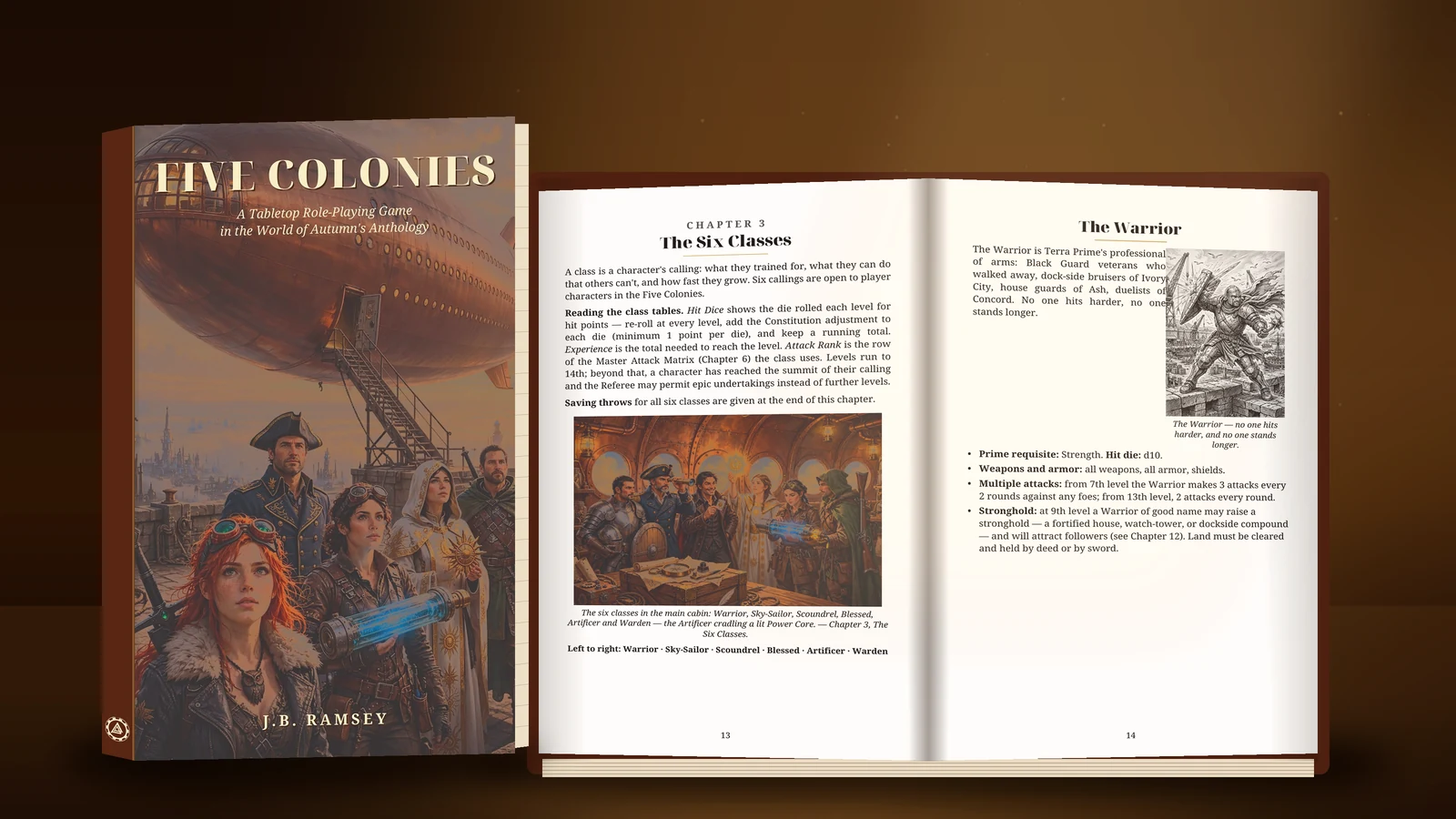
Tabletop roleplaying game
This time, you don’t just read about the Five Colonies — you crew the dirigible. The Autumn’s Anthology roleplaying game is a complete 78-page digest-size tabletop RPG (5.5 × 8.5 inches), made for old-school-style play around one table. Pick a class, chase the lost history yourselves, and find out what your crew does when the Black Guard comes over the horizon.
One date to circle: the Christmas story lands December 1. For the rest, we’d rather tell you when it’s ready than guess. The newsletter hears first when the book, the cards, and the game are ready to order. Until then, start where it all began: Autumn’s Anthology, the novel. Every journey changes you.